
Cutting technique that preserves spatial and temporal logic across shots, maintaining consistent screen direction and narrative flow.
Famous examples · Continuity Editing
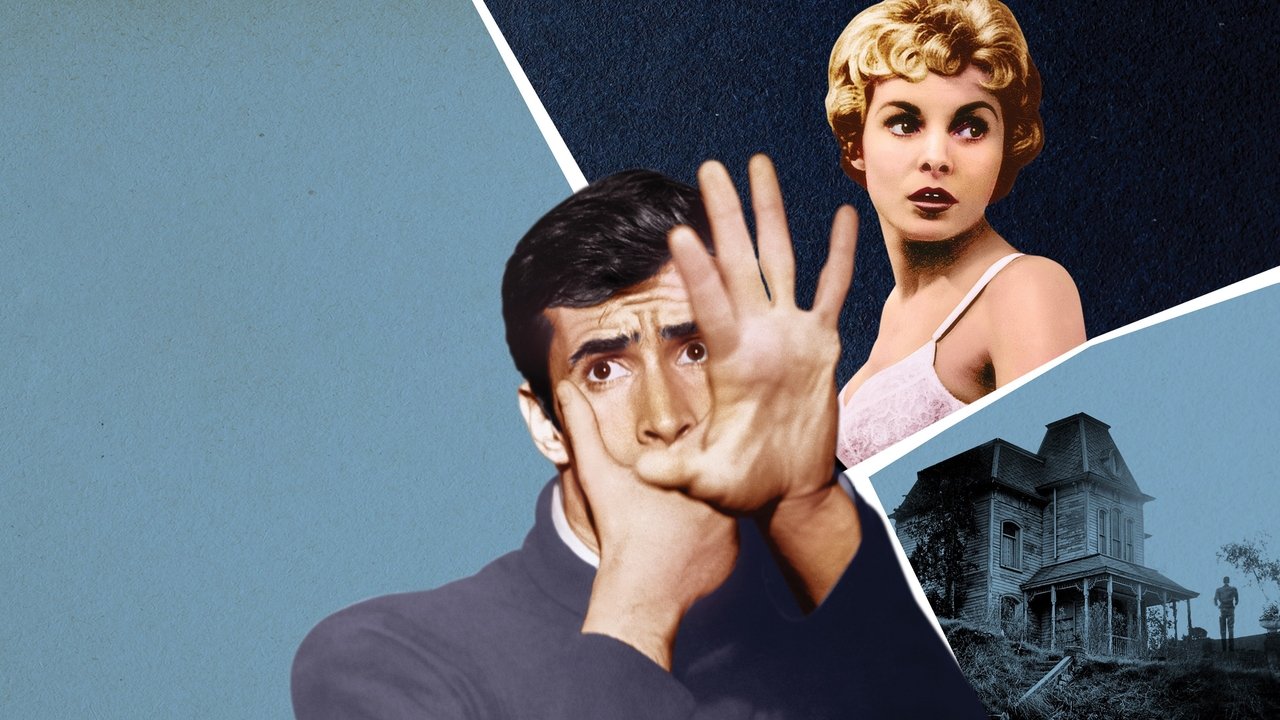
Psycho
Hitchcock employs precise eyeline matches and match cuts in the famous shower scene to maintain spatial coherence across more than 70 cuts while generating maximum tension.
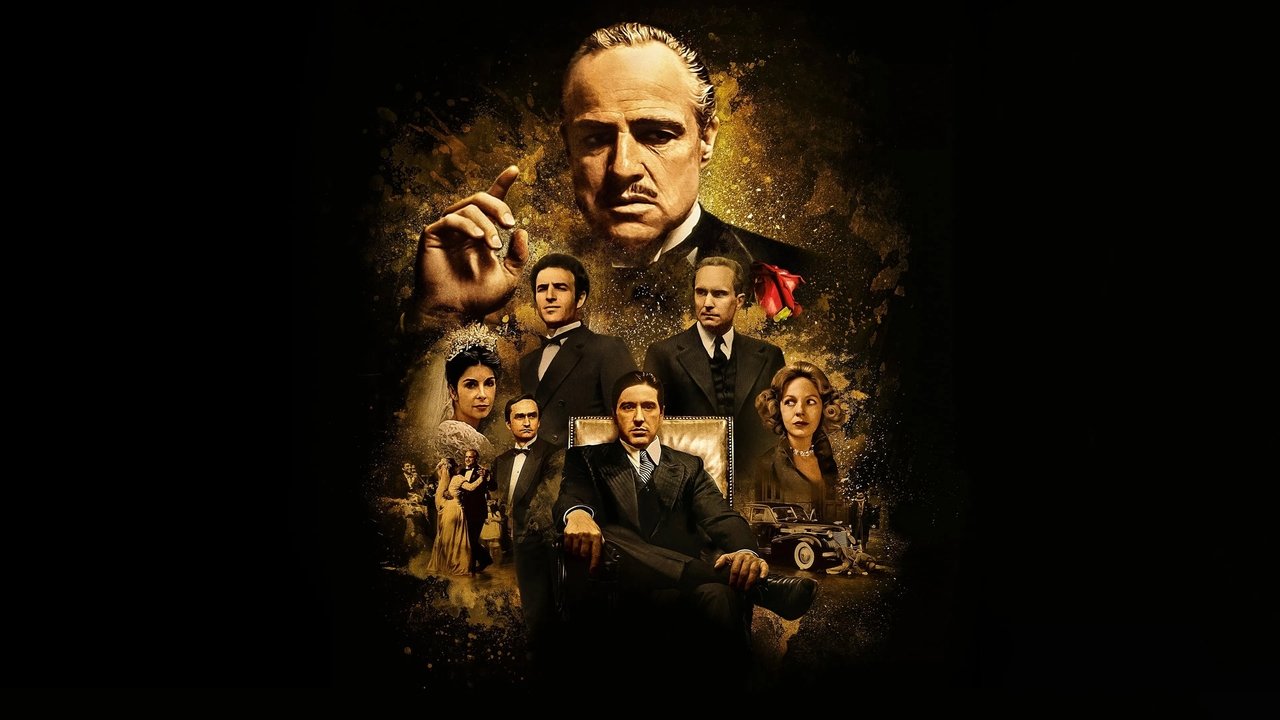
The Godfather
Walter Murch's editing maintains spatial logic in complex dialogue scenes through consistent shot-reverse-shot and eyeline matches, lending the film its measured, epic rhythm.
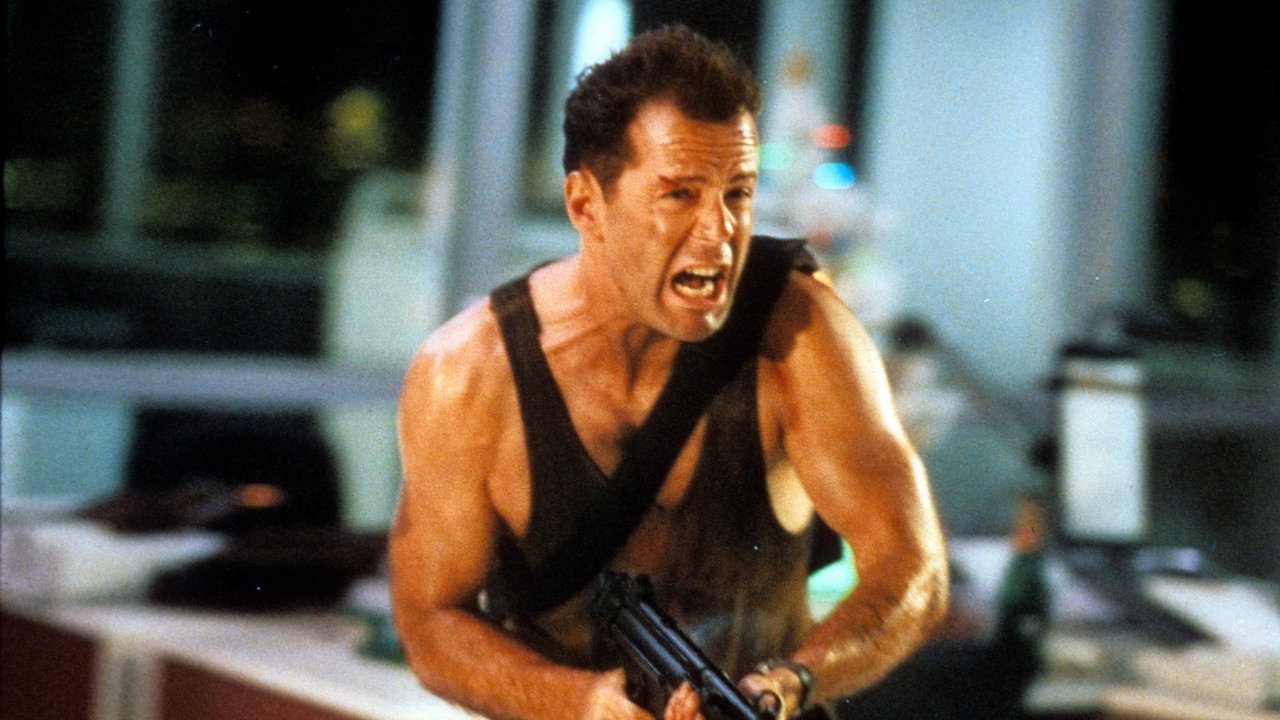
Die Hard
John McTiernan's strict adherence to the 180-degree rule and precise match cuts in action sequences ensures consistently clear spatial orientation, making this a textbook example of continuity editing in genre cinema.
Mad Max: Fury Road
Despite an extreme cutting rate and chaotic action, editor Margaret Sixel and Miller maintain remarkable spatial clarity throughout by rigorously preserving screen direction and match cuts.

Film stills sourced via the TMDB API. This product uses the TMDB API but is not endorsed or certified by TMDB. themoviedb.org ›
Technical Details
The 180-degree rule defines an imaginary line between two actors that the camera must not cross to avoid disorientation. Cuts between different shot sizes require at least a 30-degree change in camera position for optical acceptance. Match cuts synchronize movement directions between successive shots with a precision of 2-3 frames. Eyeline matches connect gaze directions between shot and reverse shot within a tolerance of a maximum 15-degree axis deviation.
History & Development
D.W. Griffith first systematized editing rules for spatial coherence in "The Adventures of Dollie" starting in 1908. In 1915, "The Birth of a Nation" established the shot-reverse-shot technique as a standard. In 1927, Paramount Studios, under Irving Thalberg, codified Classical Hollywood Montage with fixed rules for master shot, coverage, and transitions. Orson Welles systematically broke continuity rules in 1941 with "Citizen Kane" through deep focus and unconventional camera positions.
Practical Application in Film
"Casablanca" (1942) demonstrates perfect shot-reverse-shot montage in Rick's Café with an average shot length of 3.2 seconds. Modern action films like "Mad Max: Fury Road" (2015) use accelerated continuity editing with an average cut frequency of 1.8 seconds while maintaining spatial logic. The standard workflow includes master shot, medium shots, close-ups, and inserts in this order. Continuity editing demonstrably reduces cognitive load for the viewer by 23% compared to experimental editing patterns.
Comparison & Alternatives
Eisenstein's montage contrasts through deliberate discontinuity and ideological collision between shots. Jump cuts in the Nouvelle Vague intentionally break continuity rules for emotional intensification. Modern Digital Intermediate workflows allow for post-production axis corrections of up to 10 degrees. Soviet Montage Theory favors intellectual connections over spatial-temporal logic. Mumblecore productions deliberately use inconsistent axes for documentary authenticity.