
Shot-by-shot breakdown of a scene before production — camera placement, lens, cutting rhythm defined. Saves time on set and locks the visual language.
Famous examples · Découpage
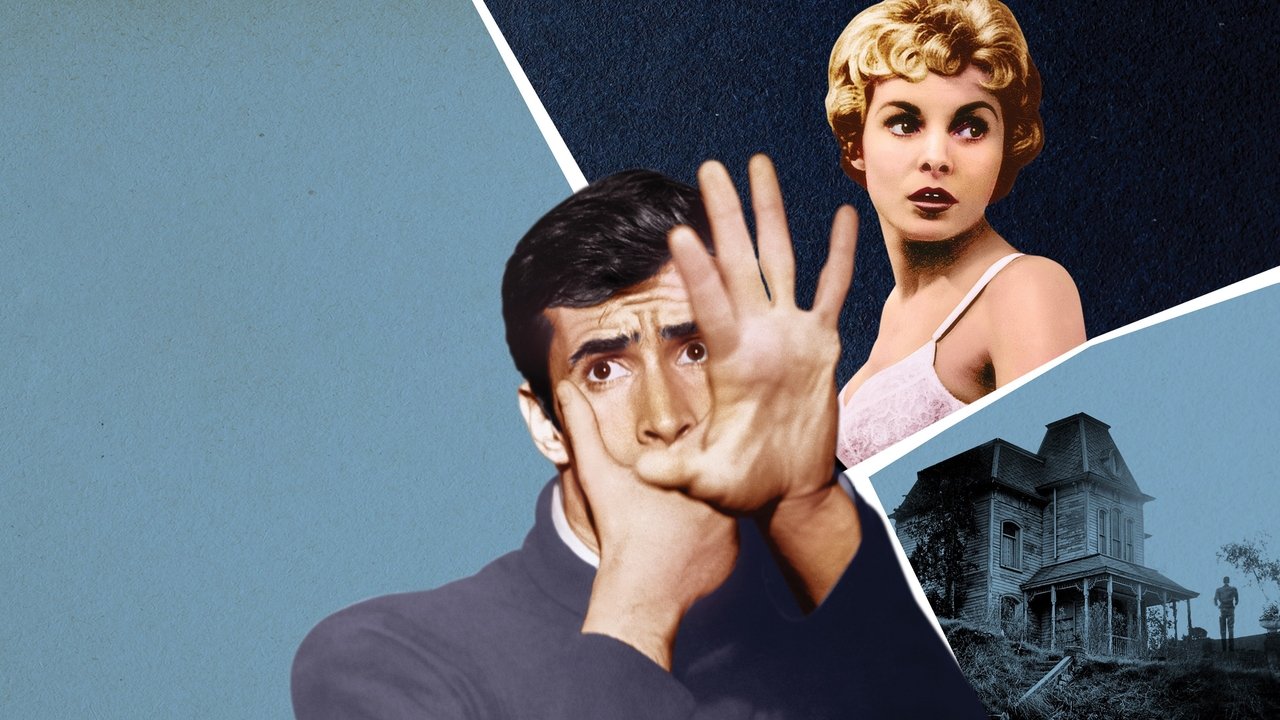
Psycho
Hitchcock prepared a meticulous découpage for the famous shower scene with over 70 shots – every cut and camera position was precisely determined before filming began, making the sequence a textbook example of precise shot planning.
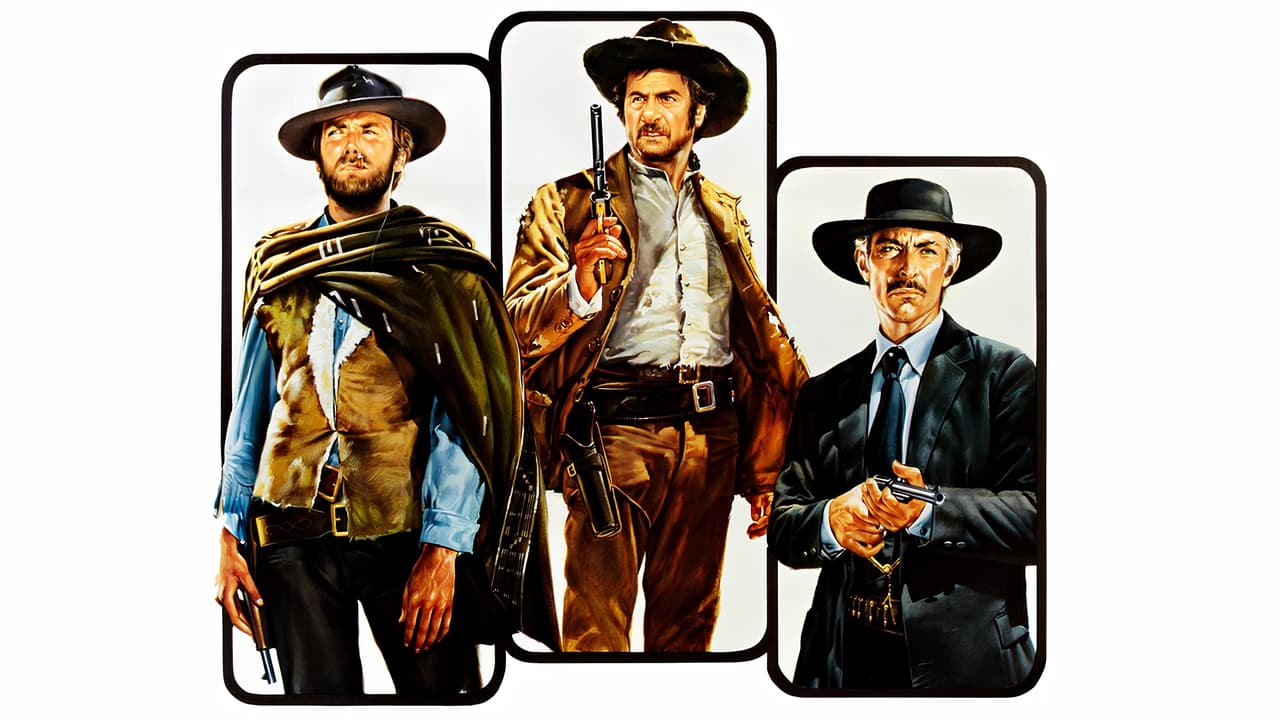
Il buono, il brutto, il cattivo (The Good, the Bad and the Ugly)
Leone's final three-way standoff is a prime example of meticulous découpage: extreme close-ups, wide shots, and cutting rhythm were pre-planned in sync with Ennio Morricone's score, forming a choreographically designed shot sequence.
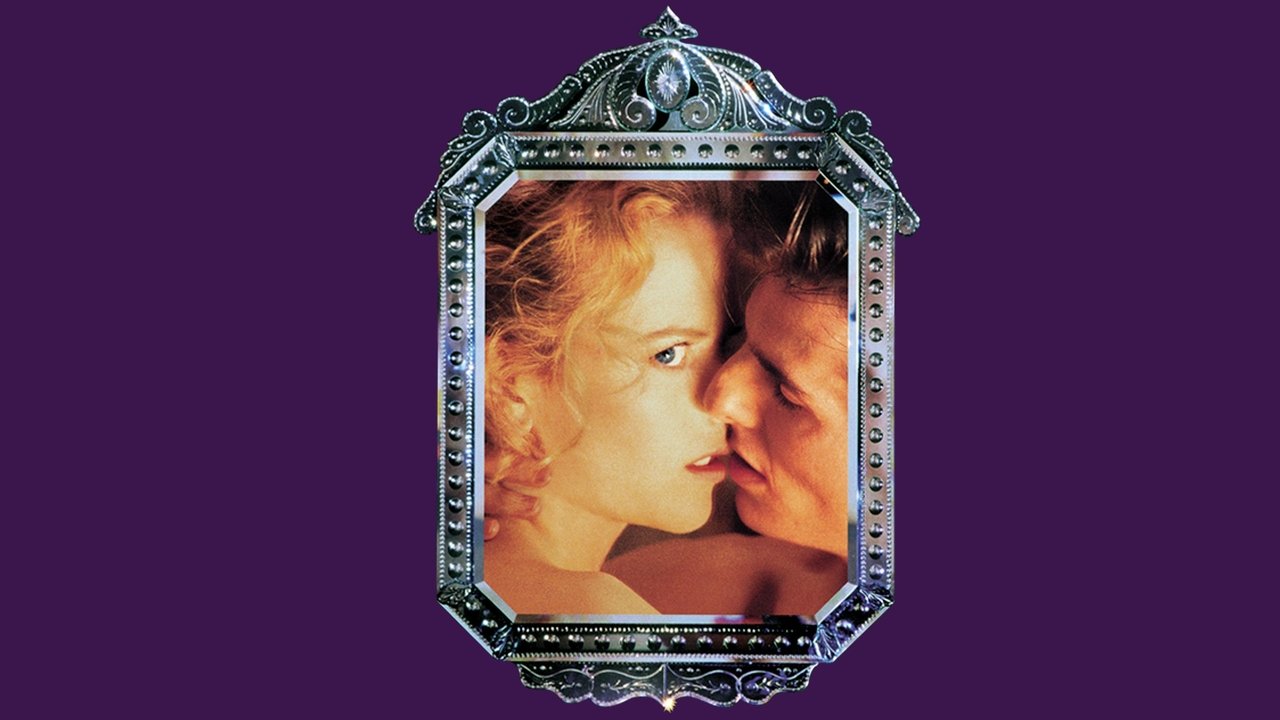
Eyes Wide Shut
Kubrick was renowned for his obsessive pre-planning: every shot in Eyes Wide Shut was documented in detailed storyboards and découpage notes, which accounts for the film's symmetrical compositions and precisely controlled camera movements.
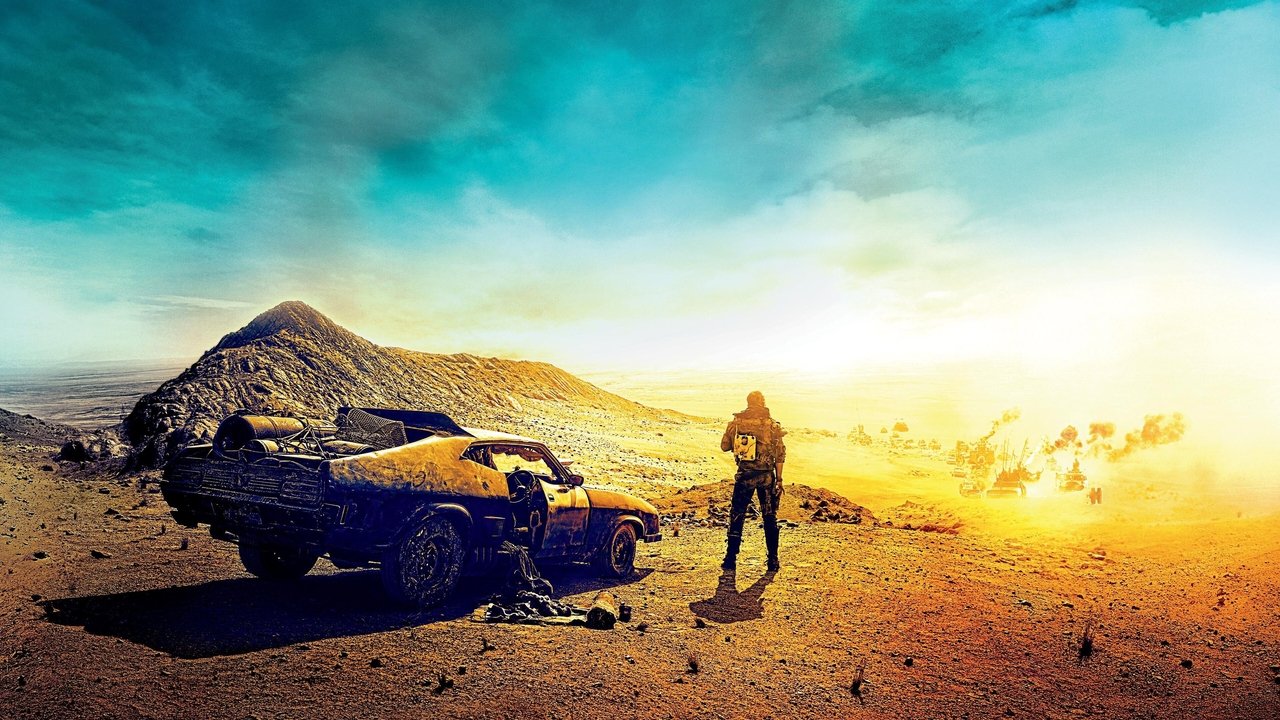
Mad Max: Fury Road
George Miller developed a years-long découpage for Fury Road in the form of over 3,500 storyboard panels that anticipated every shot of the complex action sequences, serving as a binding visual language on set.
Film stills sourced via the TMDB API. This product uses the TMDB API but is not endorsed or certified by TMDB. themoviedb.org ›
You don't just improvise a scene – you map it out. That's découpage: the detailed shot-by-shot plan you put on paper before shooting begins. Every shot with camera position, focal length, movements, editing sequence. Some directors sketch, others create storyboards, still others write precise technical notes. The medium doesn't matter – clarity does.
On set, this saves you enormous time. When the director and cinematographer have the same idea visualized and agreed upon, you don't need endless discussions. You know: first shot, wide shot from the left, 35mm, static. Second: close-up, 85mm, slight push-in during dialogue. Third: reverse shot, 50mm, shallow depth of field intentionally. This isn't adherence to dogma – it's clarity that creates room for spontaneity. When the structure is in place, actors and lighting can experiment.
Découpage also forces you to make honest decisions about your visual language. A scene where two people start a conversation and slowly move closer – reverse shots of the same size appear neutral. But if you consciously need a stronger hierarchy (one character dominates), you establish size differences. This isn't created intuitively on set – you plan it. Especially in dialogue or negotiation scenes, it makes a big difference whether both characters are on equal footing or if the camera makes a silent statement about the power dynamic.
Classic découpage often works in a three-shot rhythm: wide shot for orientation, medium shot for action, close-up for emotion or detail. Some scenes don't need this – a long take, static, actors moving through the space, the camera stays put. You decide this in the découpage too, not under time pressure on location. Modern directors often digitize their découpage – iPad apps, quick sketches with arrows for movements, notes on lens focal lengths. Hand-drawn works just as well if it's legible.
The biggest mistake: treating découpage as a constraint. It's a tool for freedom – not for restriction. If a scene plays out differently on set because an actor finds something better or the lighting doesn't allow it, you adapt. But without a plan, it takes twice as long to realize you need an idea.