
A camera angle where the horizon line is tilted to one side, creating a sense of unease, instability, or disorientation through composition rather than movement.
Famous examples · Dutch Angle / Canted Angle / Dutch Tilt
The Third Man
Robert Krasker systematically employs canted angles to visualize morally fractured postwar Vienna – every tilt mirrors the protagonist's inner disorientation and the corruption surrounding him.
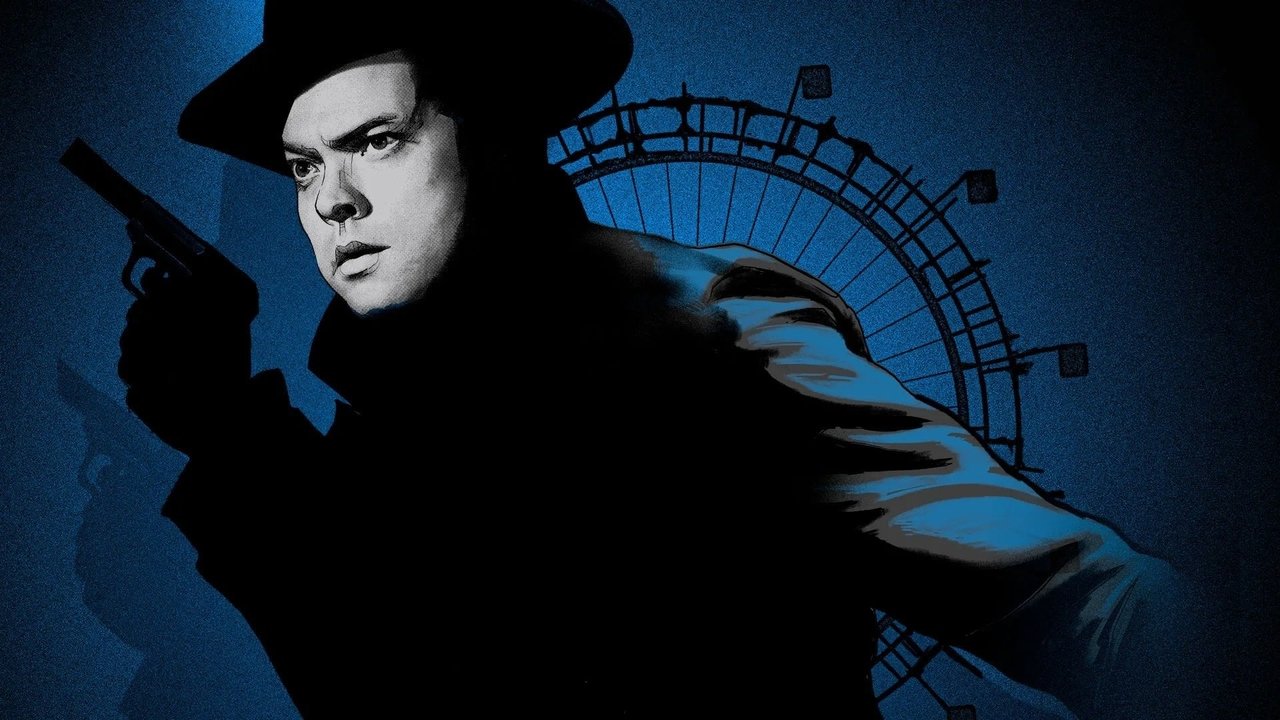
Batman
The TV series and its theatrical spin-off turned the Dutch Angle into a pop-cultural shorthand for villain scenes – the deliberately exaggerated tilt became a visual code for madness and menace.

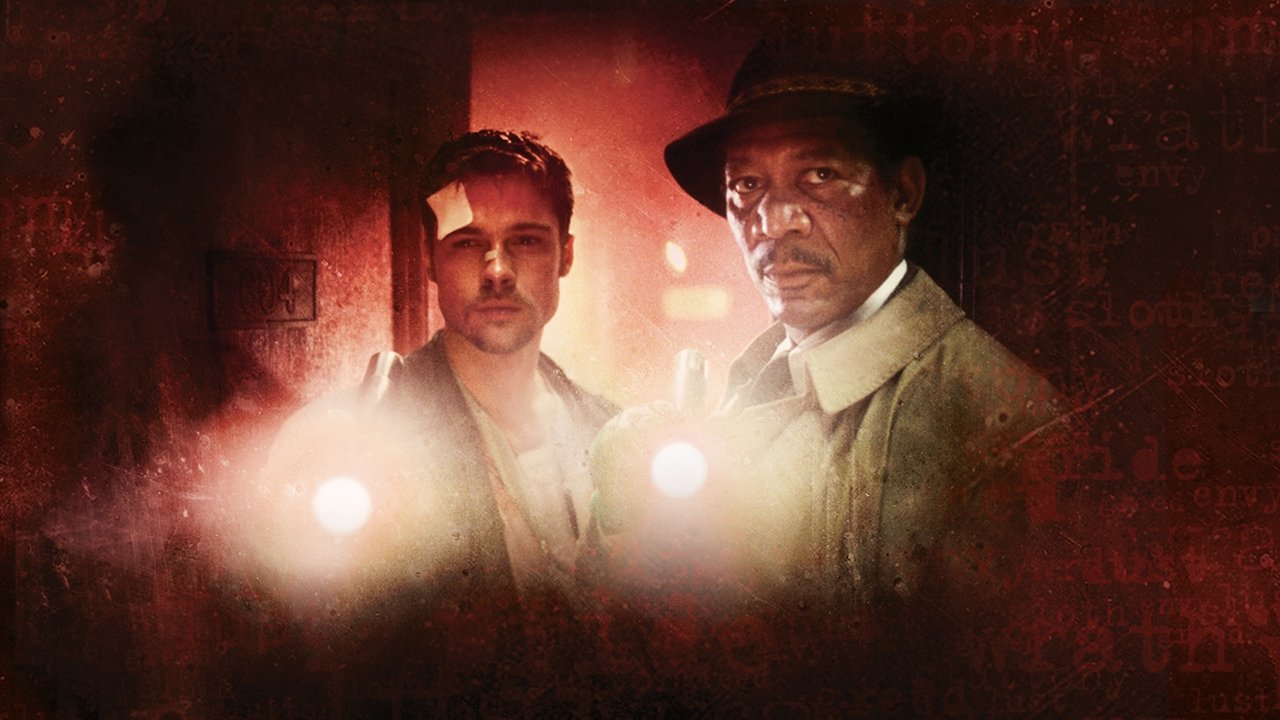
Se7en
Darius Khondji deploys the Dutch Angle alongside desaturated colors and extreme shadows to construct a world literally off its axis – the tilt becomes the visual equivalent of a moral abyss.
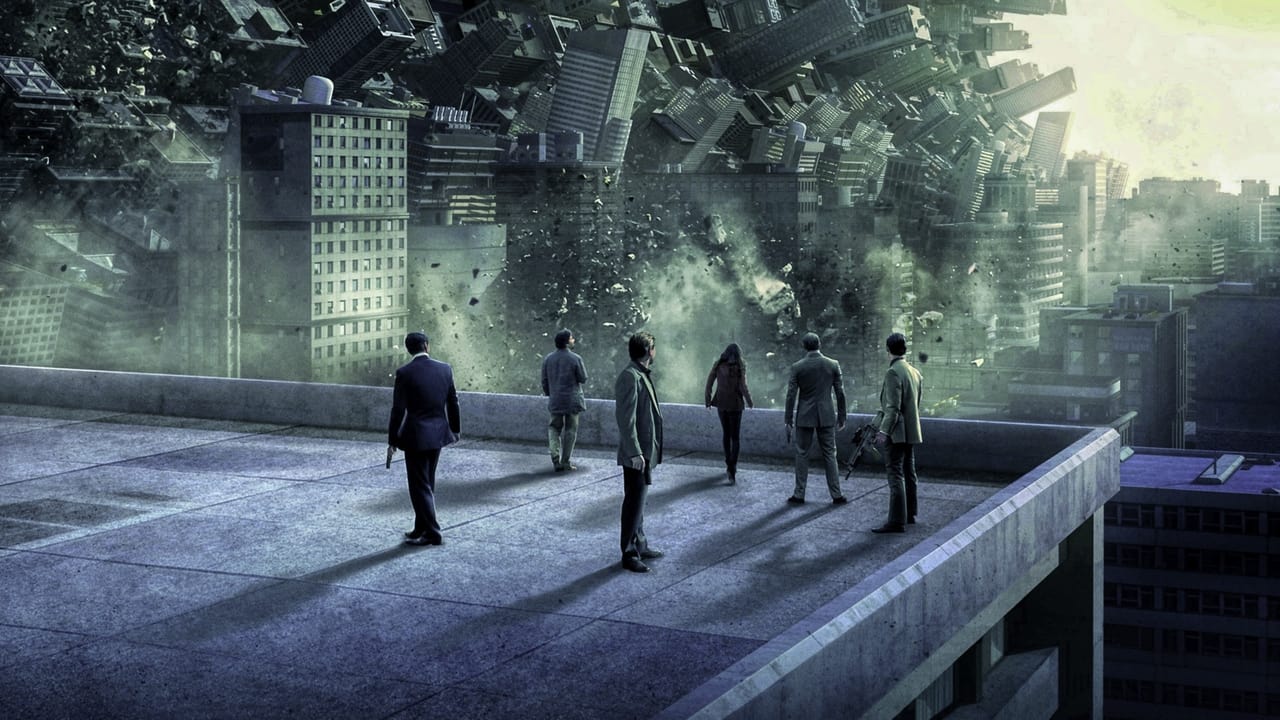
Inception
Wally Pfister deploys the Dutch Angle deliberately within dream levels to spatially disorient the viewer and make the instability of constructed reality palpable – the tilt becomes a narrative signal for transitions between layers of consciousness.
Film stills sourced via the TMDB API. This product uses the TMDB API but is not endorsed or certified by TMDB. themoviedb.org ›
Definition
The Dutch Angle (also: Dutch Tilt, Canted Angle, German: Schräge Einstellung) is a camera shot where the camera is tilted along its longitudinal axis, causing the horizon to appear slanted.
Effect
- Disorientation
- Unease, tension
- Psychological instability
- Dream sequences
See also
- Camera Angle – Camera angles in general