
Camera tilted down from above — diminishes figures, emphasizes helplessness or entrapment. Psychological tool for power dynamics.
Famous examples · high angle shot
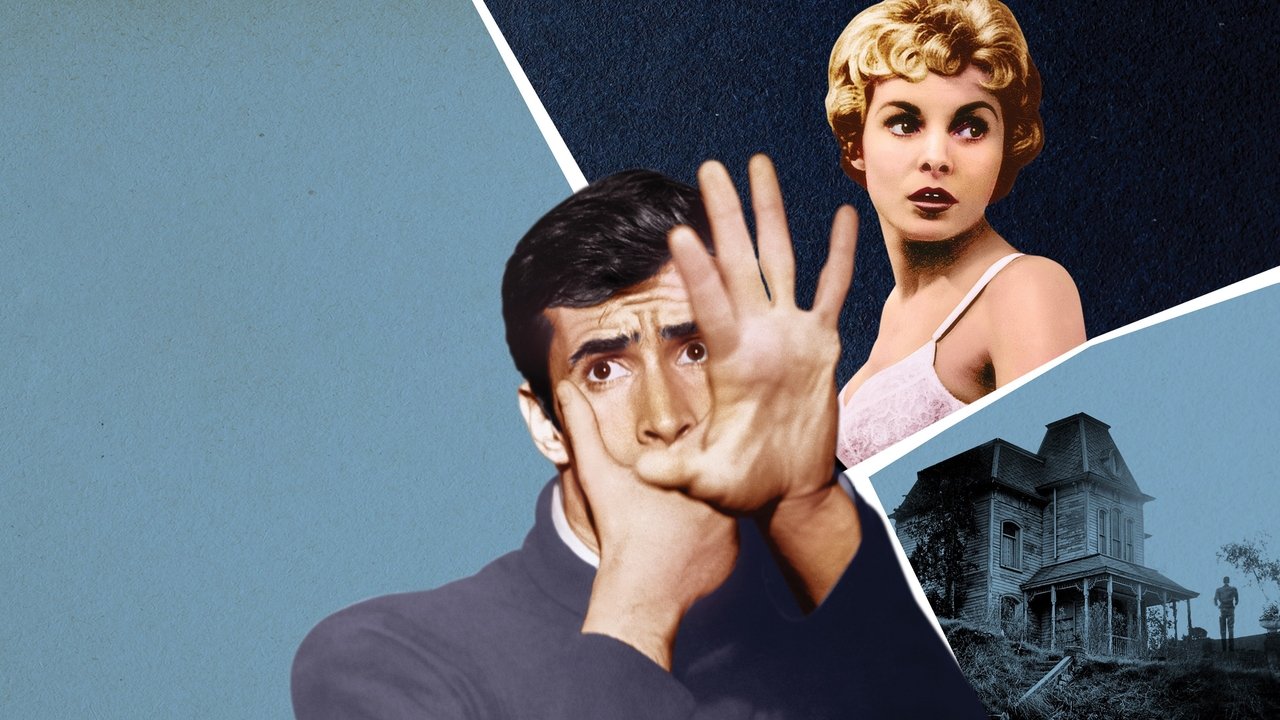
Psycho
Hitchcock frames Norman Bates arriving at the crime scene from an extreme high angle – the camera watches like an omniscient, cold god, reducing the killer to a tiny, dehumanized figure.
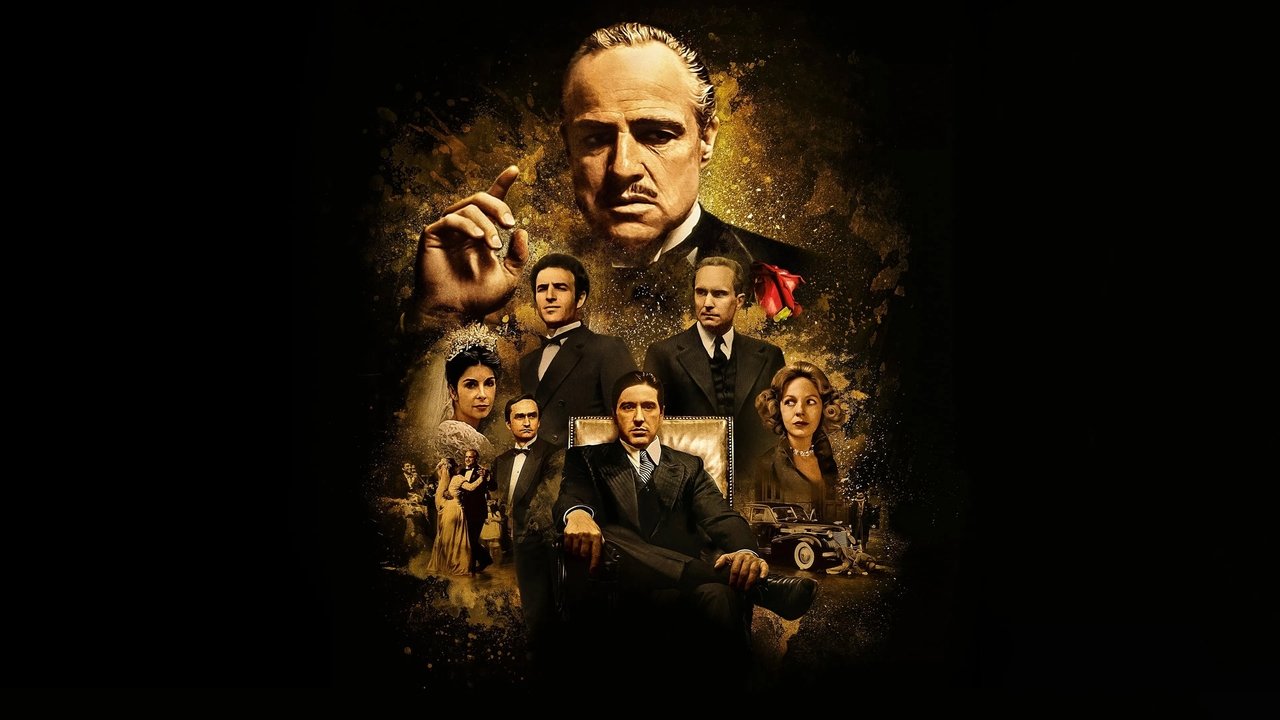
The Godfather
Gordon Willis deploys the high angle to reveal characters in moments of vulnerability or loss – notably the dying Vito in the garden, suddenly rendered small and mortal.
Requiem for a Dream
Aronofsky uses extreme high angles to portray the protagonists in their addiction as helpless, trapped beings – the camera literally presses them into the ground.

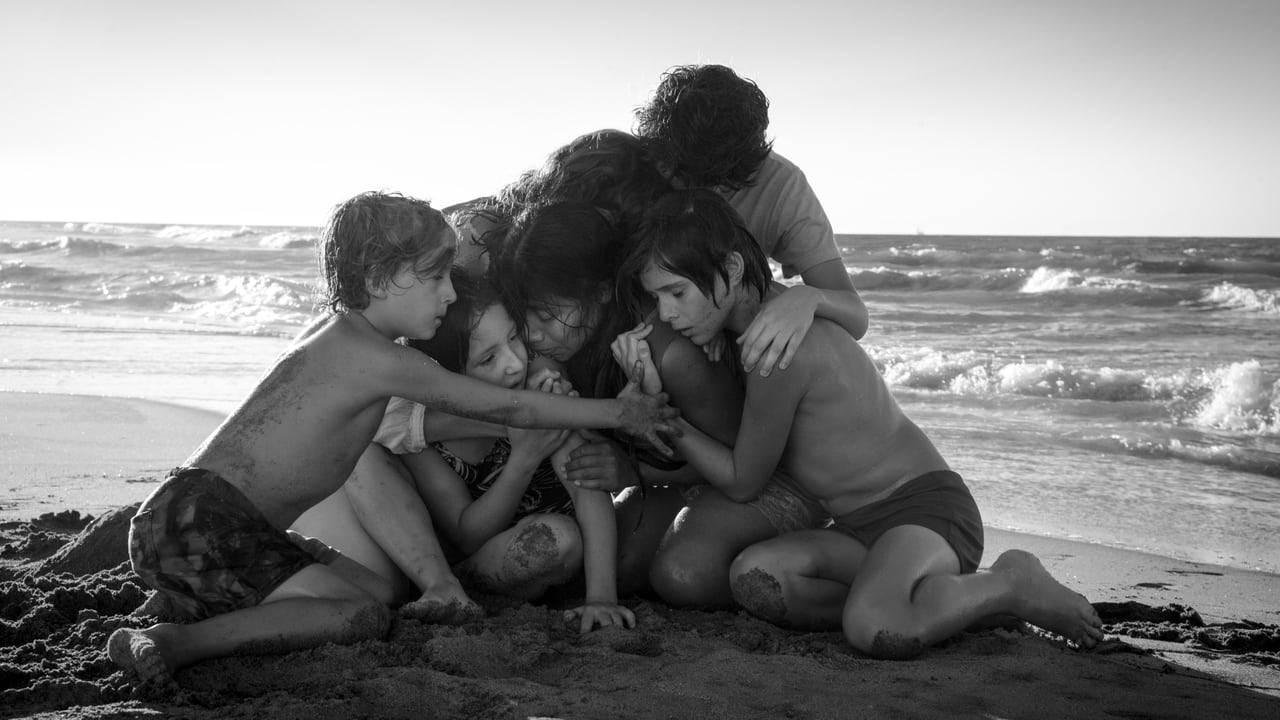
Roma
Cuarón repeatedly films Cleo at work from above, visually encoding her subordinate social position and isolation within the household without a single word of dialogue.
Film stills sourced via the TMDB API. This product uses the TMDB API but is not endorsed or certified by TMDB. themoviedb.org ›
What is a High Angle Shot?
A high angle shot (German: Aufsicht) is a camera position above eye level looking slightly down at the subject. It makes characters appear smaller, weaker, or more vulnerable and is the visual counterpart to a low angle shot.
Technical Definition
| Aspect | High Angle Shot |
|---|---|
| Camera Angle | 15°–45° downward |
| Position | Above eye level |
| Direction of View | Slightly downward |
| Distinction | Less extreme than bird's-eye view |
Angle Spectrum
| Strength | Angle | Effect |
|---|---|---|
| Slight | 15°–25° | Subtle, barely noticeable |
| Moderate | 25°–35° | Noticeable, but natural |
| Strong | 35°–45° | Obvious, dramatic |
Effect and Meaning
Psychological Effects
| Effect | Description |
|---|---|
| Diminution | Character appears smaller |
| Inferiority | Weakness, submission |
| Vulnerability | Emotionally exposed |
| Isolation | Alone, lost |
| Overview | Viewer has a broad perspective |
Narrative Functions
| Function | Application |
|---|---|
| Power Imbalance | Showing a weaker position |
| Emotional Low Point | Character at their lowest |
| Orientation | Spatial context |
| Contrast | Alternating with low angle shot |
| Objectivity | Distant observation |
High Angle Shot vs. Related Perspectives
vs. Bird's-Eye View
| Aspect | High Angle Shot | Bird's-Eye View |
|---|---|---|
| Angle | 15°–45° | 45°–80° |
| Height | 1.8–3 m | 3+ m |
| Effect | Subtle weakness | Total overview |
| Equipment | Standard | Crane, drone |
vs. Low Angle Shot
| Aspect | High Angle Shot | Low Angle Shot |
|---|---|---|
| Angle | Downward | Upward |
| Effect | Weakens | Strengthens |
| Power | Inferior | Superior |
| Size | Smaller | Larger |
Realization
Equipment
| Method | Description |
|---|---|
| High Tripod | Standard solution, up to ~2.5 m |
| Ladder/Scaffolding | For higher positions |
| Mini-Crane | Controlled movement |
| Riser | Elevation for tripod |
Practical Tips
| Aspect | Recommendation |
|---|---|
| Line of Sight | Actor looks up at the camera |
| Lighting | From above, often flattering |
| Background | The ground becomes more dominant |
| Focal Length | Longer = more subtle effect |
Typical Applications
Emotional Scenes
- Grief, loss
- Loneliness
- Helplessness
- Confessions
Power Dynamics
- Interrogation scenes (interrogated person)
- Boss-subordinate
- Parent-child
- Winner-loser
Genre-Specific
| Genre | Application |
|---|---|
| Drama | Emotional low points |
| Thriller | Victims, threatened individuals |
| Comedy | Comedic effect |
| Horror | Helpless protagonists |
Notable Film Examples
| Film | Scene | Effect |
|---|---|---|
| Schindler's List | Victim scenes | Helplessness |
| The Godfather | Supplicants | Inferiority |
| Psycho | Marion on the floor | Vulnerability |
| E.T. the Extra-Terrestrial | Elliott | Child's perspective |
| The Shawshank Redemption | Andy initially | Imprisonment |
Combinations
With Camera Movement
| Combination | Effect |
|---|---|
| Crane shot upwards | Increasing distance |
| Zoom out | Amplifies isolation |
| Push in | Focus on emotion |
| Dolly back | Departure, retreat |
With Other Elements
| Element | Effect |
|---|---|
| Wide-angle lens | Enhanced distortion |
| Flat lighting | Lifelessness |
| Empty space | Loneliness |
| Shadows | Threat |
Subtext and Symbolism
What the High Angle Shot Communicates
| Message | Context |
|---|---|
| "You are small" | Powerless position |
| "You are inferior" | Hierarchy |
| "I am watching you" | Surveillance |
| "You are lost" | Disorientation |
Cultural Significance
The high angle shot reflects the universal experience of "looking up" to someone – whoever is seen from above is in the weaker position.
Technical Tips
For the Cinematographer
| Aspect | Consideration |
|---|---|
| Forehead | Can dominate, hairline |
| Chin | Disappears at extreme angles |
| Eyes | Must still be visible |
| Body Proportions | Head appears larger |
Common Mistakes
| Mistake | Avoidance |
|---|---|
| Too extreme | Maintain subtlety |
| Unmotivated | Use only with narrative purpose |
| Too prolonged | Use as an accent, not default |
The Legacy
In Film History
- Established in classic Hollywood
- Part of the "grammar of film"
- Universally understood
Influence
The high angle shot is a fundamental component of the cinematic vocabulary – every viewer intuitively understands its meaning.
Today
| Aspect | Details |
|---|---|
| Frequency | Standard tool |
| Equipment | Minimal (tripod) |
| Cost | No additional |
| Trend | Timeless, fundamental |