
Vertov's 1920s newsreel series — »film truth« via montage, not narrative cinema. Raw footage as artistic medium.
Famous examples · Kino-Pravda
Chronique d'un été
Rouch and Morin coined the term 'Cinéma vérité' with this film – a direct homage to Vertov's Kino-Pravda – interviewing Parisians on the street about happiness, without a script and with a lightweight handheld camera.
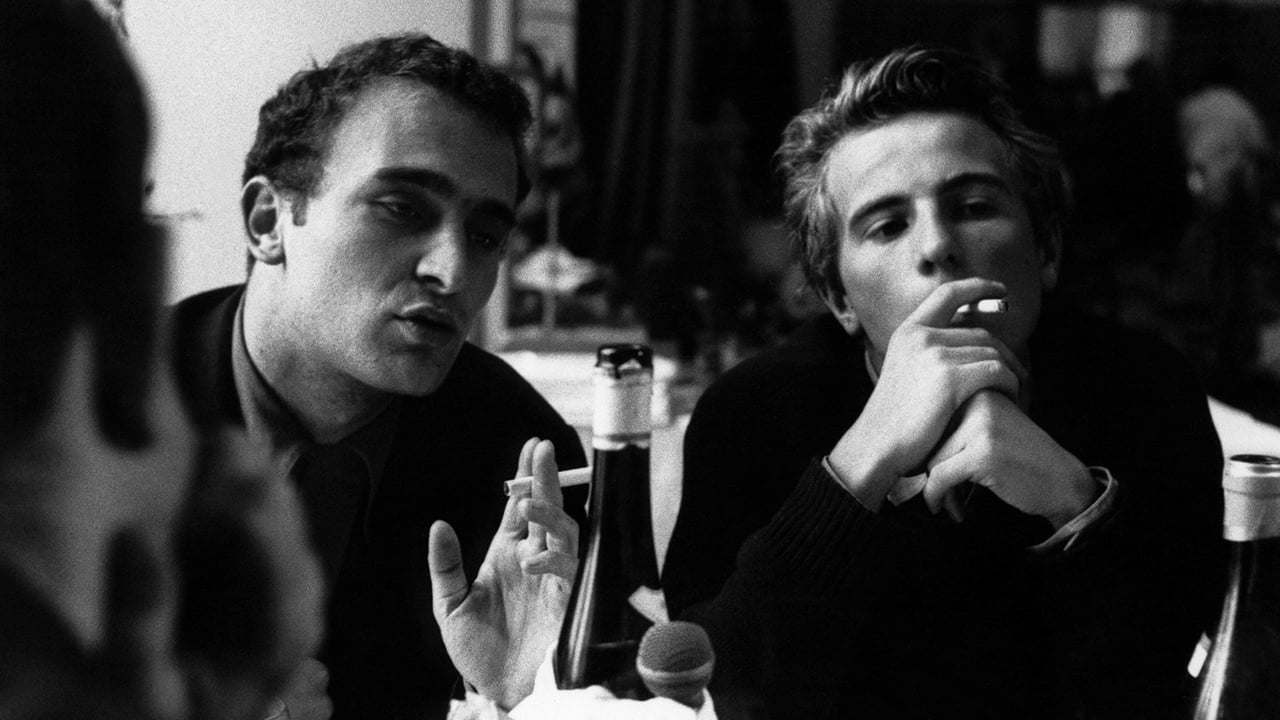
Gimme Shelter
The Maysles brothers documented the Rolling Stones' Altamont concert with multiple cameras and no staging – the raw footage itself reveals the truth of the moment, entirely in the spirit of Vertov.

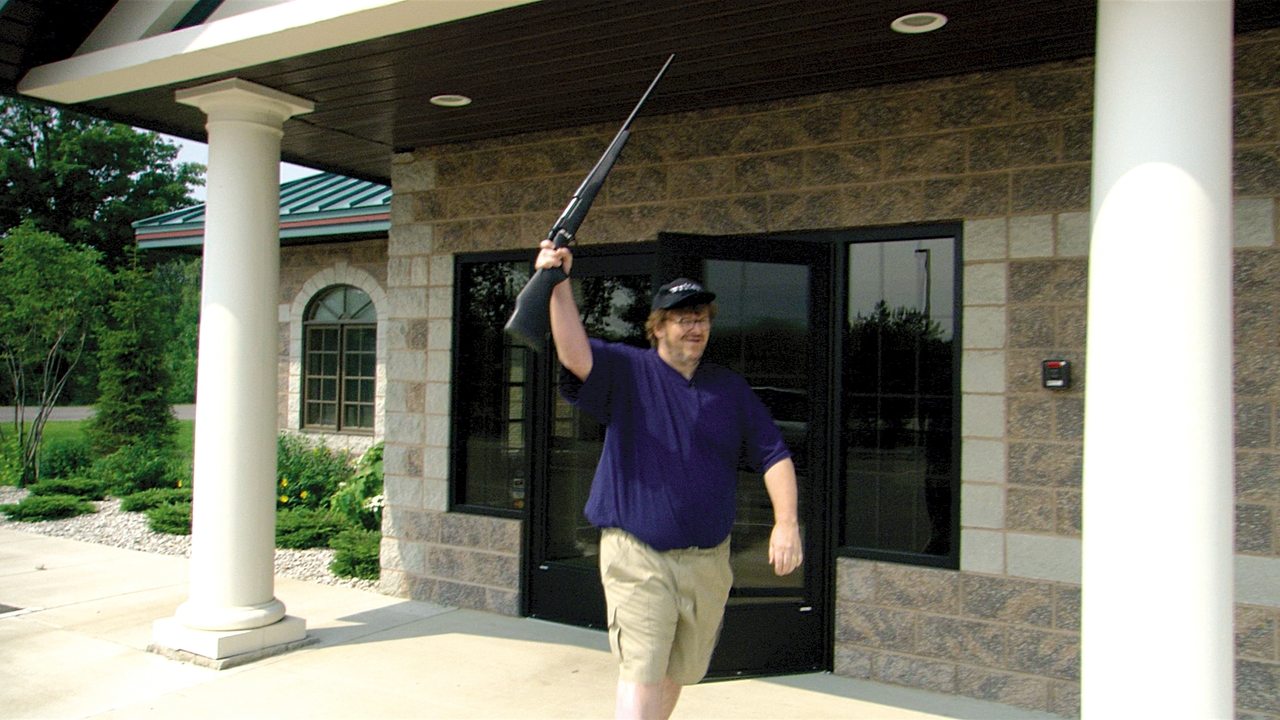
Bowling for Columbine
Moore employs Vertov's principle of montage dramaturgy as a rhetorical tool: archival footage, interviews, and staged sequences are cut so that the montage itself articulates the political argument.
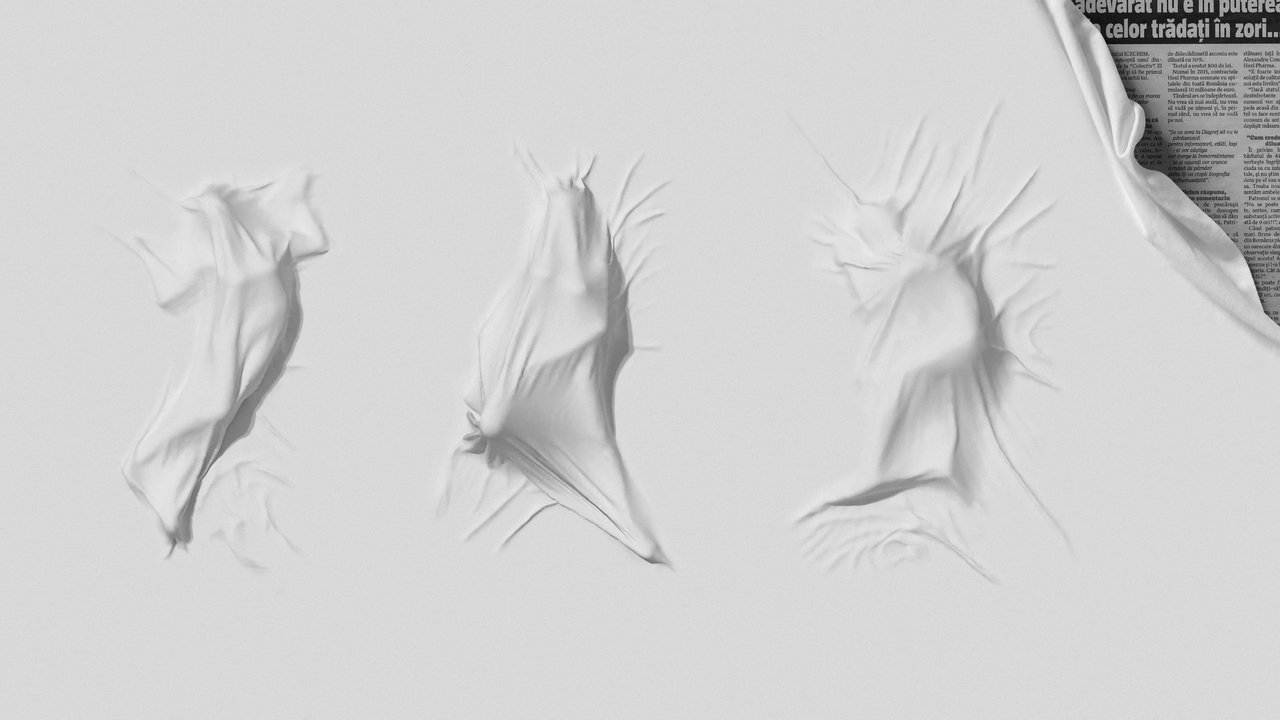
Collective (Colectiv)
Nanau follows investigative journalists in Romania with an unobtrusive camera – the unstaged raw footage exposes systemic corruption and updates Vertov's idea of 'film truth' for the 21st century.
Film stills sourced via the TMDB API. This product uses the TMDB API but is not endorsed or certified by TMDB. themoviedb.org ›
Kino-Pravda
In the 1920s, Vertov created something that fundamentally rethought documentary filmmaking compared to the narrative film industry: he assembled raw footage — pure street scenes, factory work, people in their daily rhythms — into a new form of truth. Not the truth of a story, but the truth of visible reality, revealed solely through editing. This was Kino-Pravda — "Film Truth." The series ran for years, each installment a short cinematic manifesto against the falsehood of staged narrative films.
The crucial point: Vertov understood editing not as a tool for narration, but as an artistic means of cognition. Through the juxtaposition of images — an eye closing, a factory machine starting, a child laughing — a layer of meaning emerged that lay neither in the individual frame nor in classical dramaturgy. On set, he was radical: the camera's eye everywhere, spontaneous, without a script. The actual composition happened in the edit. This was revolutionary for its time and remains relevant today for any documentary film that aims not just to depict, but to interpret.
Practically, this means for today's work: those who think according to Kino-Pravda principles gather visual material not according to story structure, but according to visual rhythms, layers of meaning, and contrasting cuts. One works in the editing room like a visual artist — not like a screenwriter. The material itself becomes the main protagonist. This way of thinking can be found in modern experimental documentary film, essay film, and artist videos. It stands in direct contrast to the conventions of classical documentary, which dictates a narrative or thesis and collects images accordingly.
Vertov's radical position — that editing alone can create truth — is often misunderstood. It's not about objective depiction (which never exists), but about an honest acknowledgment of the artificiality of film itself. The cuts are visible, the structure is palpable. This creates a kind of dialectical truth: the raw material and its deconstruction communicate simultaneously.