
Viewer projects meaning onto neutral cuts — sad face then child triggers compassion, not causality. Montage creates emotion; single shot cannot.
Famous examples · Kuleshov Effect
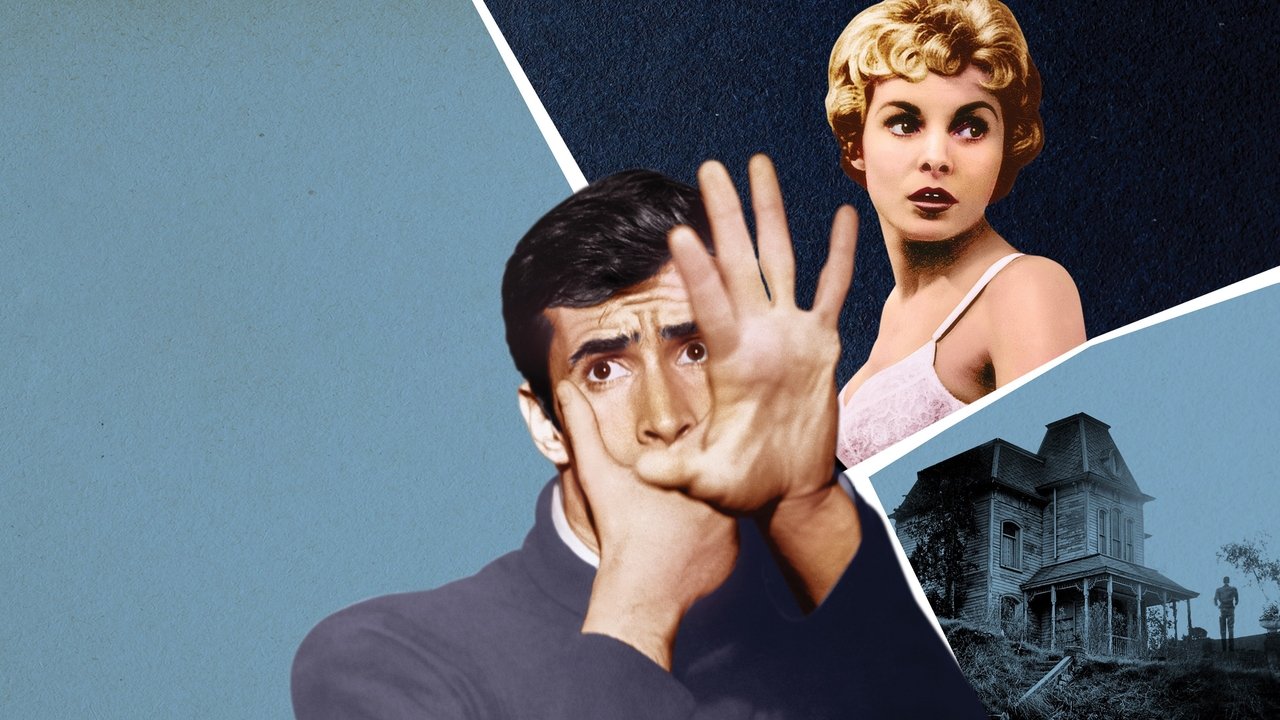
Psycho
Hitchcock cuts Norman's seemingly innocent gaze toward Marion with shots of the motel and swamp — the neutral expression becomes a sign of menace and obsession purely through context.
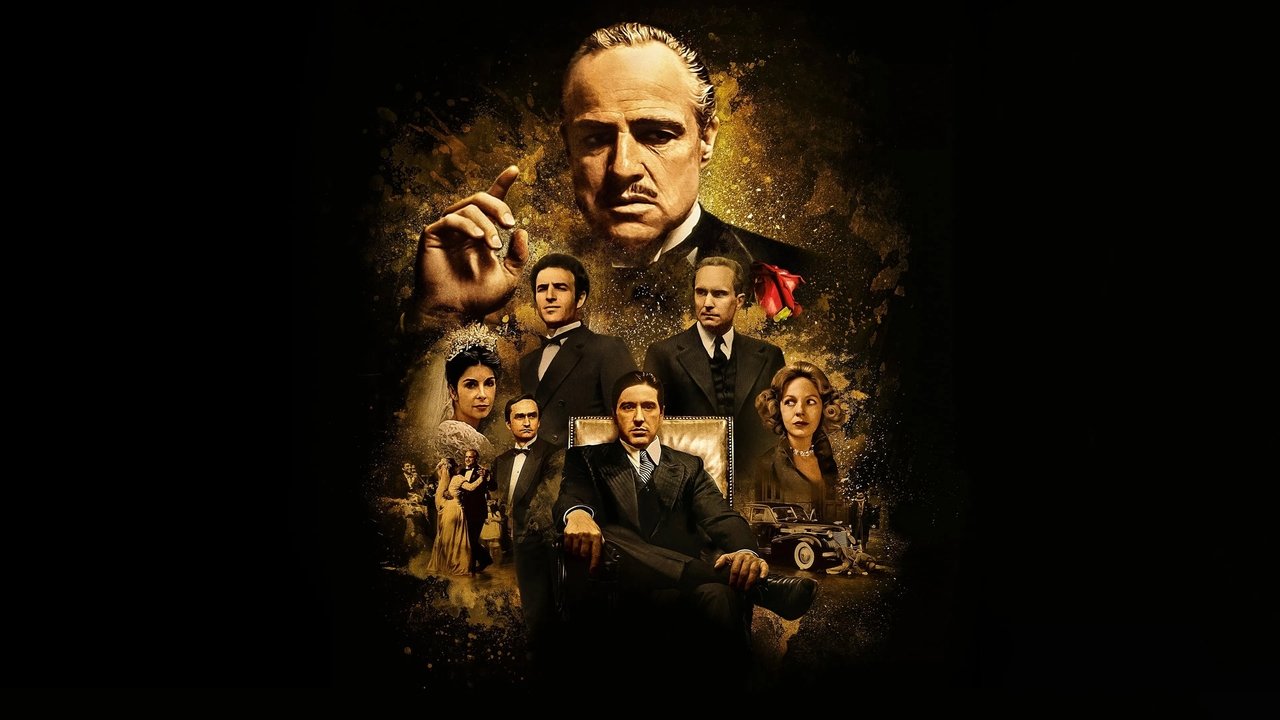
The Godfather
The baptism sequence intercuts Michael's stoic face with murder scenes — only the editing creates the emotional ambivalence between sanctity and guilt.
City of God
Meirelles cuts Buscapé's neutral observational gaze against violence and poverty in the favela — the same expression reads as fear, wonder, or complicity depending on the reverse shot.

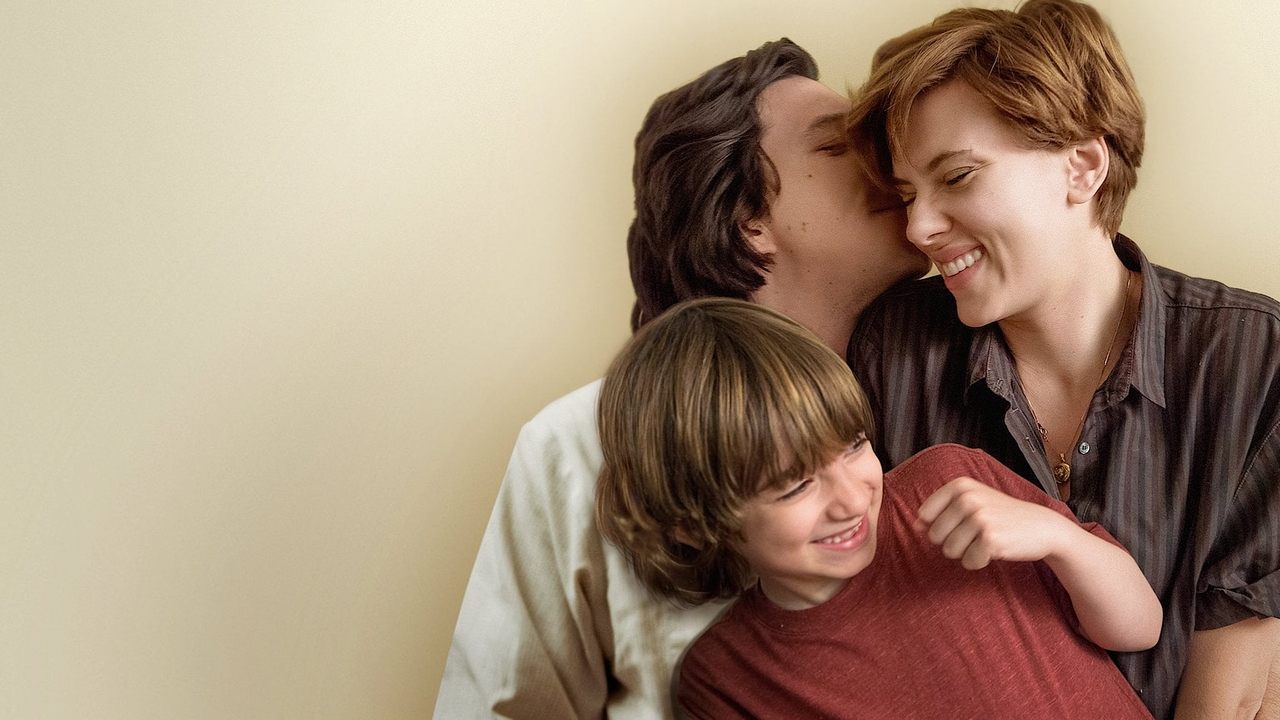
Marriage Story
Baumbach's precise cutting allows Scarlett Johansson's and Adam Driver's still faces to radiate love, exhaustion, or hatred purely through the shifting context of each opposing shot.
Film stills sourced via the TMDB API. This product uses the TMDB API but is not endorsed or certified by TMDB. themoviedb.org ›
The viewer sits in a dark theater and sees a face—expressionless, neutral, almost blank. Then you cut to a wide shot: a child playing in the sand. Back to the face. Suddenly, this face looks sad, vulnerable, worried. Even though the shot is identical. This is the Kuleshov Effect in its purest form—and it works because your brain fills the gap between the images, not because the images themselves convey meaning.
Lev Kuleshov experimentally proved this in the 1920s: a neutral face shown after a hungry-looking child = the face is perceived as affectionate. The same face after an open coffin = the face is read as sad. The edit itself is the narrator, not the shot. You, as the editor, create emotion through sequence and timing, not through the intensity of facial expressions. This is fundamentally different from acting—your performer can play it absolutely minimally, as long as the editing sequence is correct.
In practice, this means: if you want to build an emotional moment, trust the power of the edit rather than overplayed acting. A still face, followed by visual information (object, space, another person), automatically creates a causal meaning in the viewer's mind. The psyche fills the gap. This is why a subtle reaction from an actor—followed by the right edit—often has a stronger impact than an emotional overreaction. You create through montage what acting alone cannot achieve.
Practically, you use this daily: in reaction shots (character reacts to off-screen action), in dialogue scenes (where the counter-shot sets the emotional meaning), in montage sequences where music and editing rhythm take over the emotional coloring. An experienced editor knows: the best shot is often neutral enough to be projected onto. Watch 1930s silent films—you'll see the Kuleshov Effect in its pure form because there's no dialogue. The editing sequence has to convey everything. Modern films with sound often forget this and pack too much into individual shots. The effect is strongest precisely when the viewer has to actively think along.