
Single uncut shot running minutes — camera and actors sync in real time. Scorsese, Cuarón exploit this. Zero margin for error.
Famous examples · Long Take
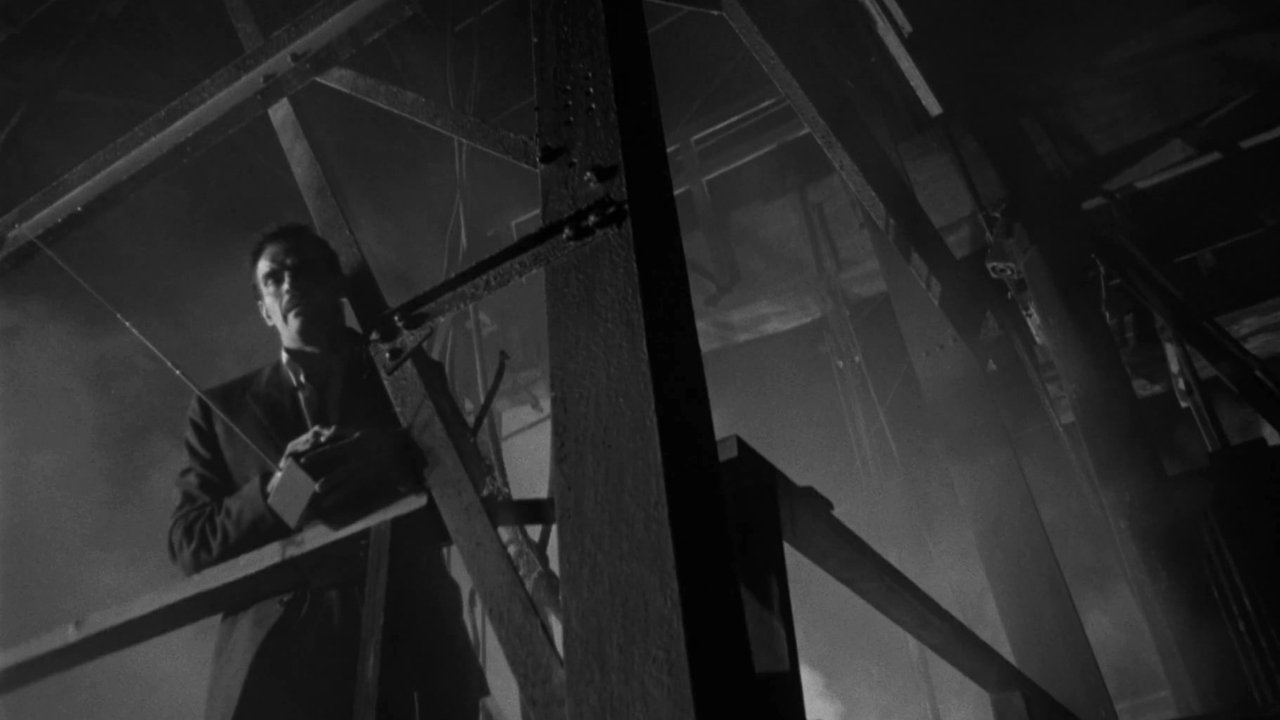
Touch of Evil
Welles' legendary opening sequence follows a bomb and multiple characters through a border town in a single uncut crane-and-dolly take, establishing the long take as a dramatic storytelling instrument.
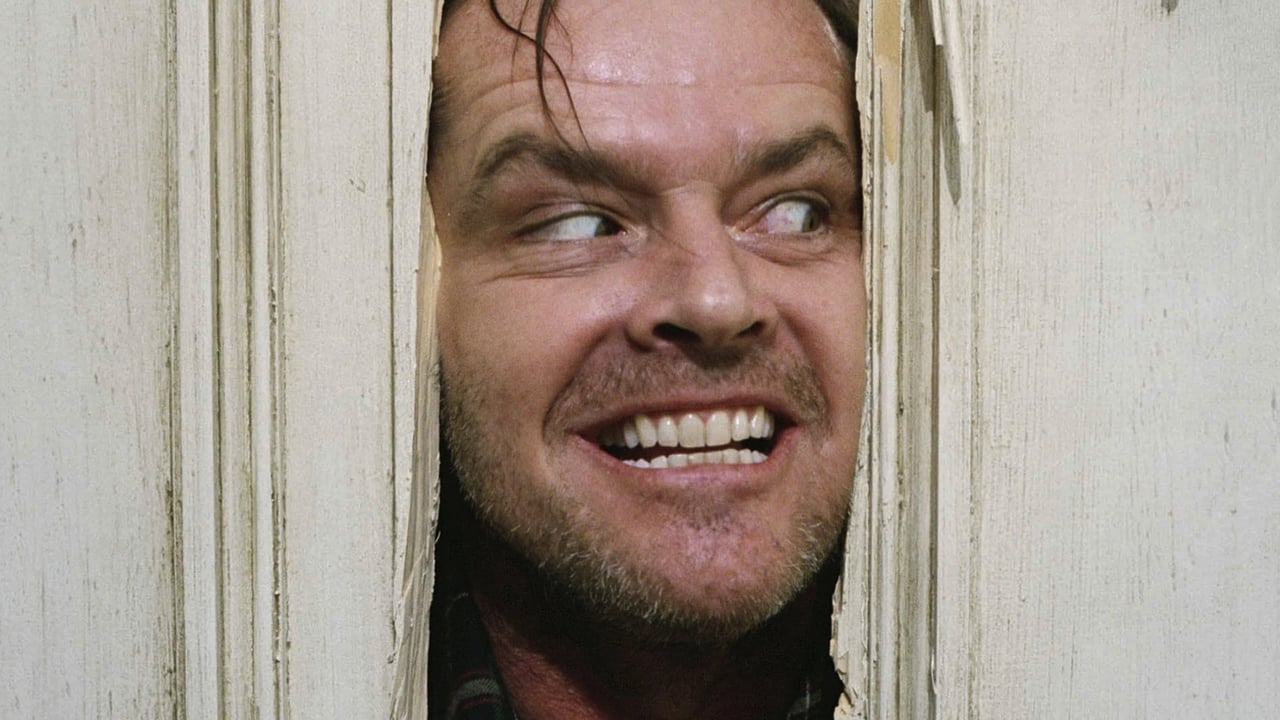
The Shining
Kubrick uses extended uncut Steadicam glides through the Overlook Hotel's corridors to make isolation and creeping madness viscerally felt in real time.
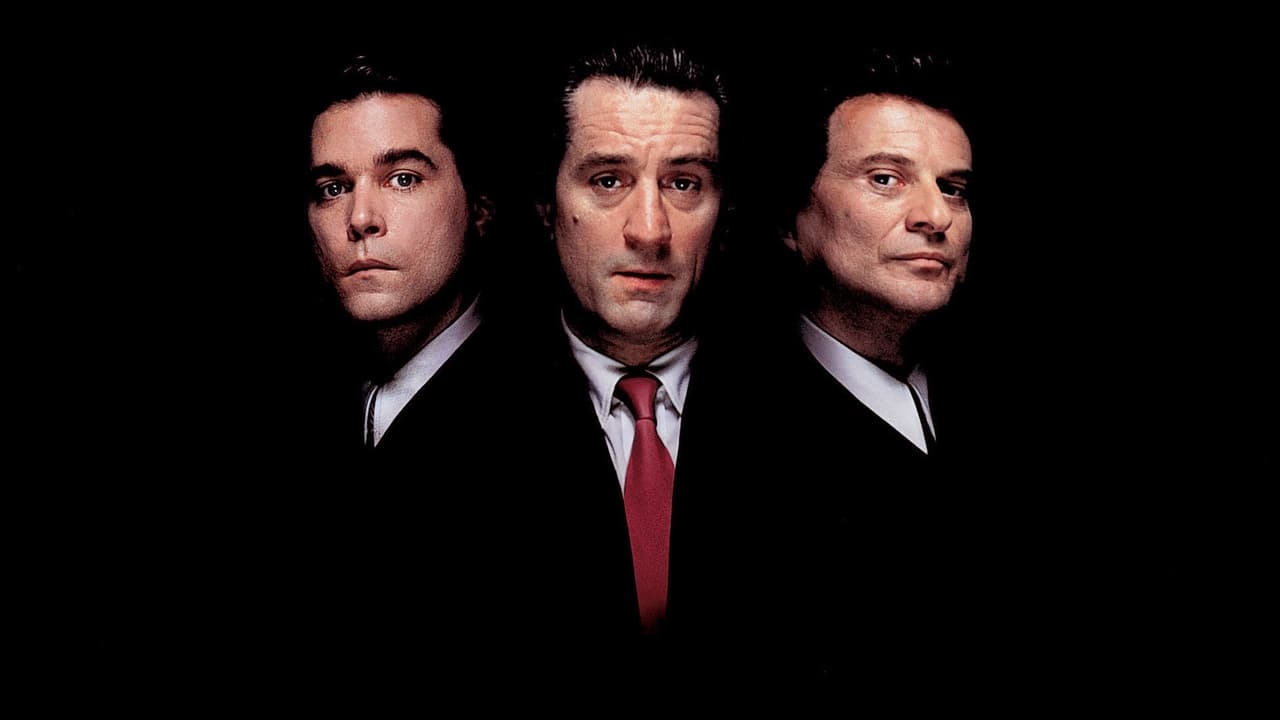
Goodfellas
The famous Copacabana sequence escorts Henry Hill and Karen through the club's kitchen and corridors in a single two-minute take, making Henry's power and seductiveness physically palpable.
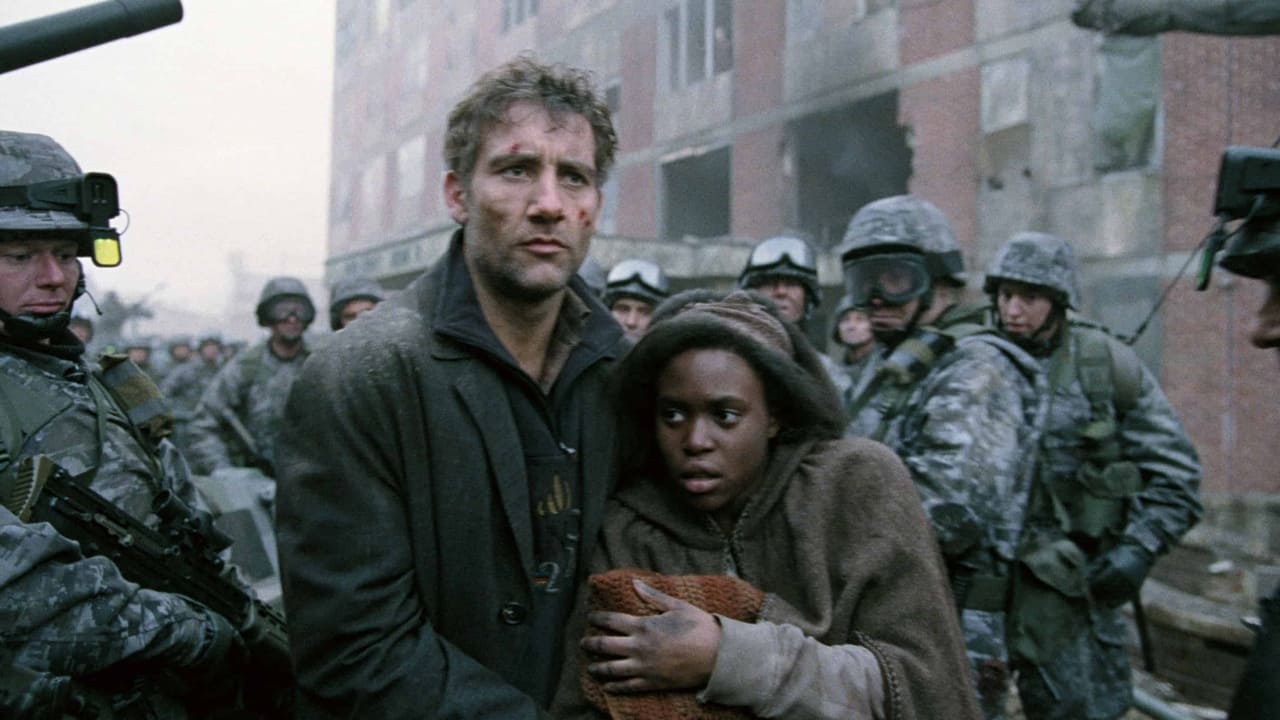
Children of Men
Cuarón and Lubezki shoot the war-zone sequence in an apparently unbroken take that plunges the viewer into the battle, denying any escape through the absence of a cut.
Film stills sourced via the TMDB API. This product uses the TMDB API but is not endorsed or certified by TMDB. themoviedb.org ›
You set up the camera, press record — and it rolls. Two, three, sometimes five minutes straight. No cuts. No safety net. The actors have to push through their performance, the camera follows or stays still, and if someone makes a mistake, you start over. That's the long take — not just a long shot, but a pact between everyone involved that the next few minutes must function perfectly because editing won't offer salvation later.
On set, you quickly realize why it's so rarely done: complexity explodes. A camera move across three floors, actors moving through multiple rooms, timing down to the tenth of a second — if the reach for the phone comes 50 frames too early, the entire take was for naught. You shoot dozens of takes, sometimes a hundred, until everything fits together. It's not elegant, it's craftsmanship at its extreme. At the same time: when it works, you've shot a scene with an emotional continuity that the viewer feels without knowing why. The eye sees no cuts, so it also sees no artificial transitions — everything feels like it's happening in real-time.
The practical requirements are brutal. The camera must run absolutely stable — every flicker, every focus error will be seen magnified later. Steadicam or dolly are your friends; handheld only works if deliberate shakiness is allowed. Sound becomes a challenge: a minute of dialogue without a cut means background noise must be consistently appropriate. And the lighting — if the camera moves, you have to ensure no shadows suddenly jump. You need a large lighting setup that illuminates the entire path of movement.
Narratively, long takes work best when they require tension or psychological intimacy. Rodrigo Cuarón did this masterfully — not because it sounds cool, but because the lack of editing manipulation forces the viewer to stay *with* the character. You can't cut away when it gets uncomfortable. That's the opposite of classic Hollywood editing. For you as a DoP, this means: composition becomes dramaturgy. You guide the eye through light, depth of field, and framing — because cuts are no longer your weapon.