
Match on Action is a technique in filmmaking editing.
Famous examples · Match on Action
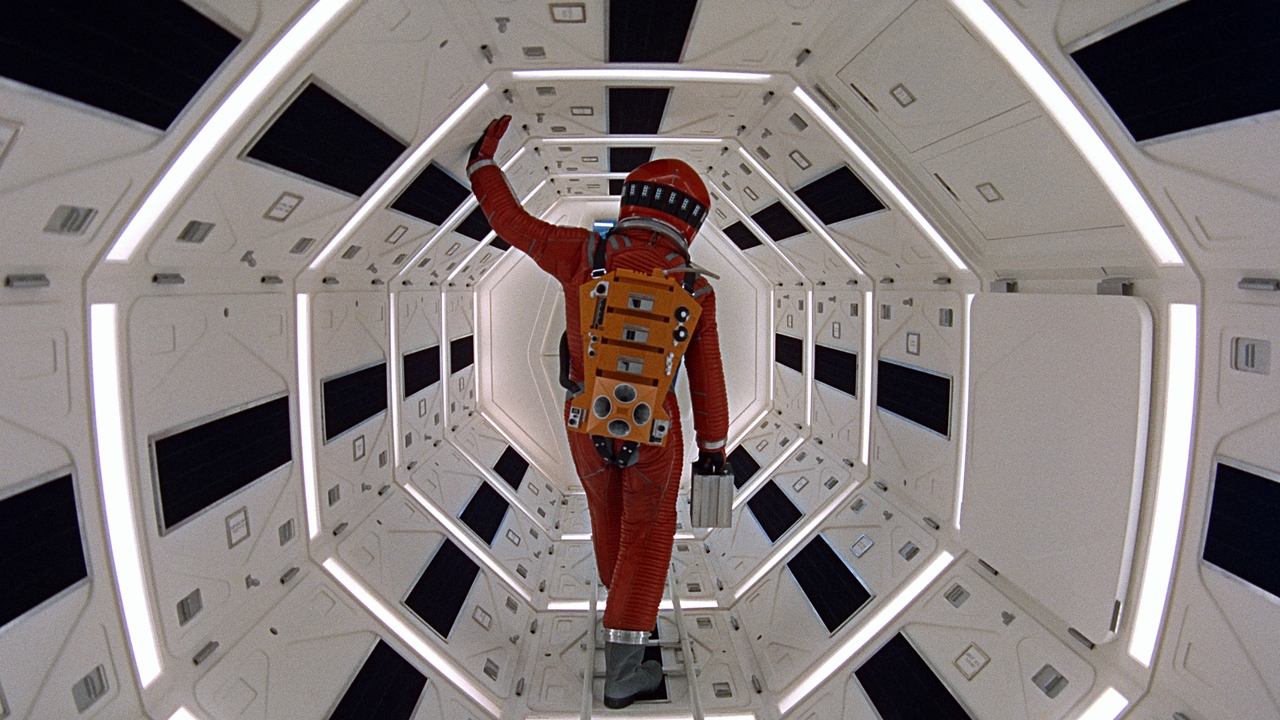
2001: A Space Odyssey
Kubrick's most famous cut connects a thrown bone to a spacecraft: the throwing motion continues seamlessly across millions of years, turning the match on action into a dramaturgical metaphor.
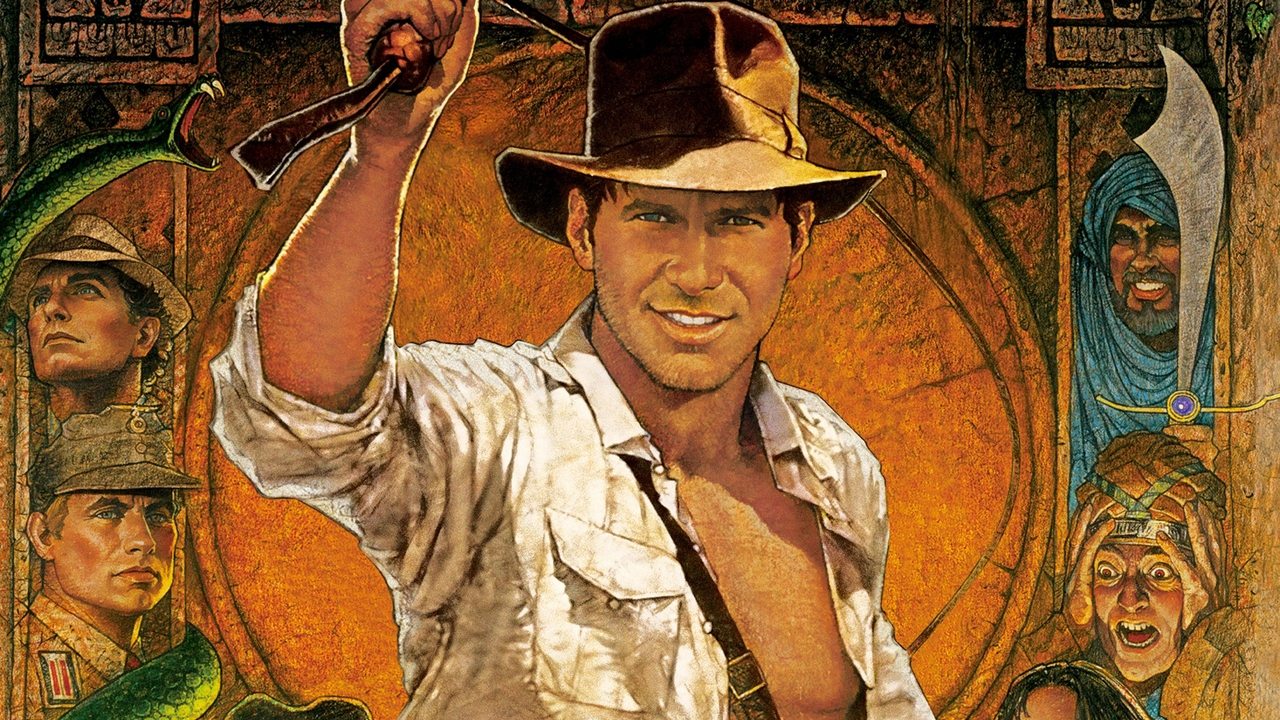
Raiders of the Lost Ark
Spielberg and editor Michael Kahn consistently use match on action in action sequences to maintain both pace and spatial orientation simultaneously – as in the grab for the idol or the chase sequences.
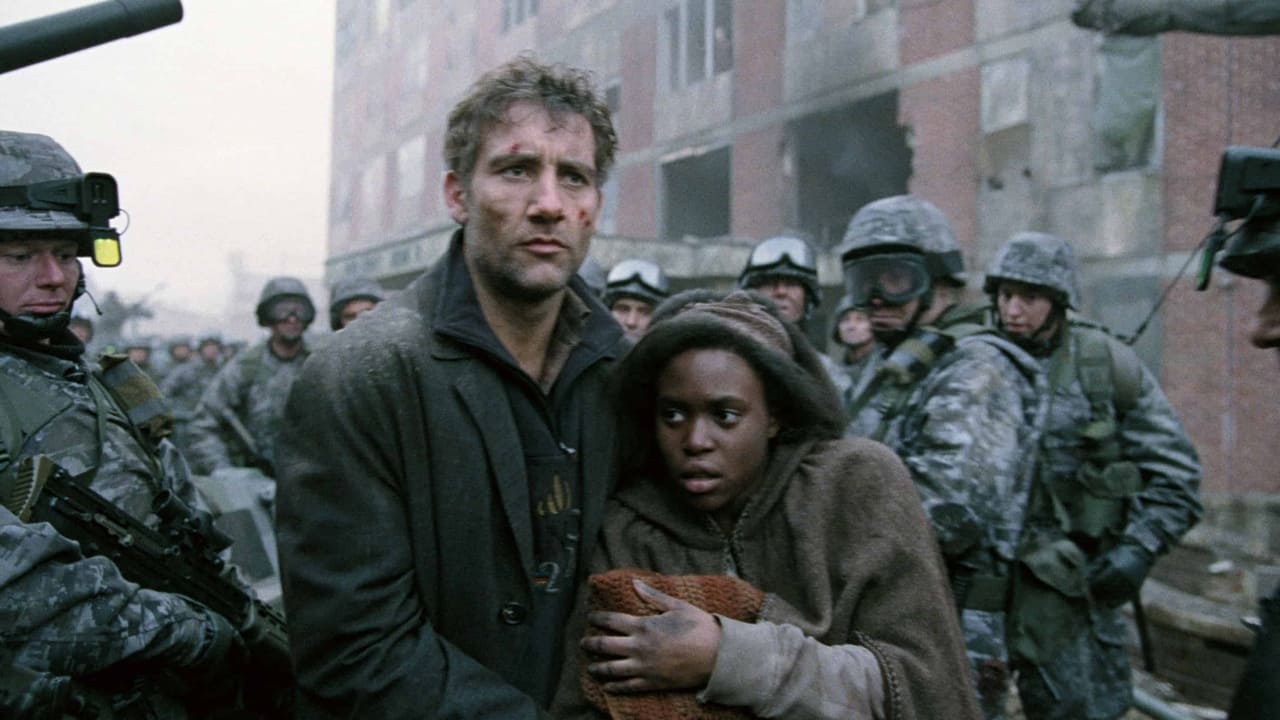
Children of Men
In moments where Cuarón shifts from long takes to edited sequences, he uses match on action precisely to maintain the physical continuity of the escape and keep the viewer spatially grounded.
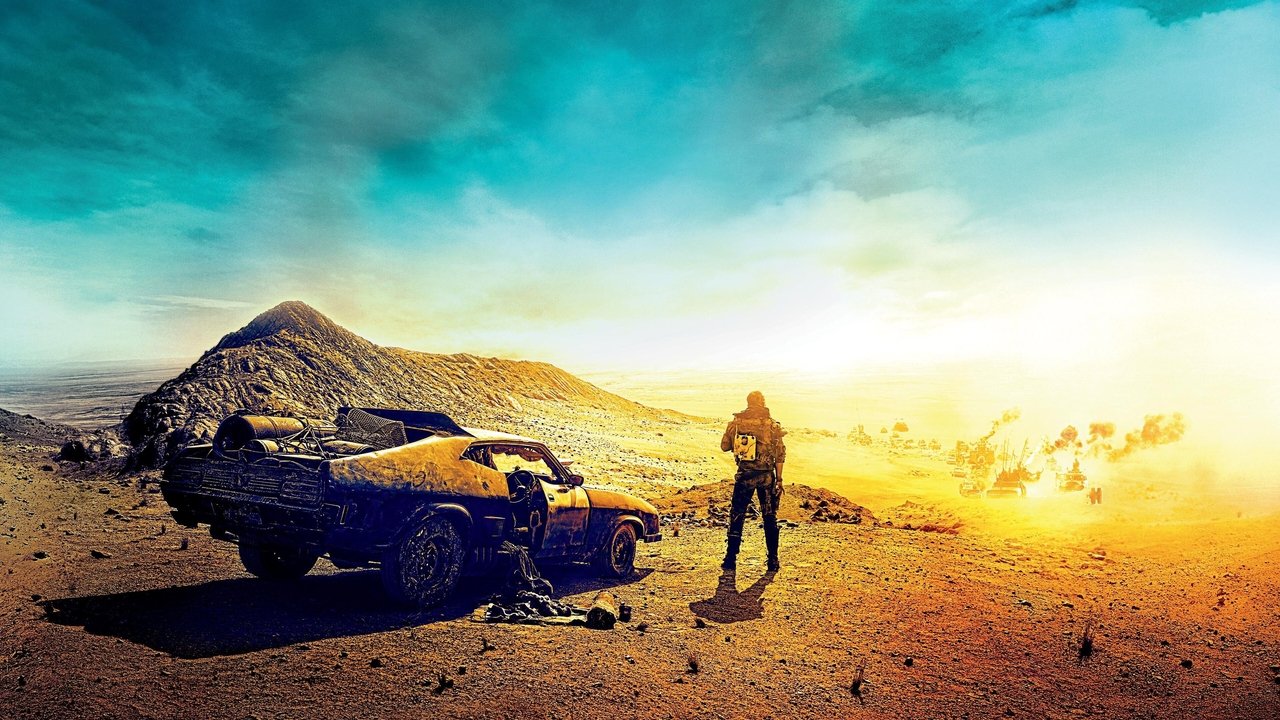
Mad Max: Fury Road
Editor Margaret Sixel cuts Miller's action spectacle with surgical precision: every cut into a movement – a jump, a blow, an explosion – uses match on action to preserve spatial clarity despite breakneck pace.
Film stills sourced via the TMDB API. This product uses the TMDB API but is not endorsed or certified by TMDB. themoviedb.org ›
Technical Details
The optimal cut point lies between 30-70% of the movement execution, with 40-50% considered ideal. The speed of movement must be identical in both shots – deviations exceeding 10% are perceived as disruptive by the eye. With 24fps recording, the cut typically occurs 3-8 frames after the start of the movement. Three main variants exist: the pure match on action (identical action), the direction match (gaze direction/walking direction), and the object match (movement of an object). Modern editing systems offer frame-accurate synchronization with up to 120fps slow motion for complex action sequences.
History & Development
Sergei Eisenstein first systematically experimented with match cuts in 1925 in "Battleship Potemkin" in the Odessa Steps sequence. Hollywood editor Hal Ashby perfected the technique for studio productions in 1929. In 1939, Gregg Toland established the 180-degree rule standard for match cuts in "Citizen Kane." The Nouvelle Vague deliberately broke these rules in the 1960s. Digital editing systems enabled pixel-accurate motion analysis from 1995 onwards. Today, motion tracking tools like DaVinci Resolve's Speed Warp use automatic motion adjustments.
Practical Application in Film
Classic application: A person opens a door (close-up of hand on doorknob, cut, wide shot shows person through the open door). Edgar Wright uses match cuts synchronized to music with precise beat synchronization in "Baby Driver" (2017). Action films use 8-12 match cuts per minute of fight sequence. The workflow requires exact script supervision: a continuity log documents the movement phase, posture, and object position frame-by-frame. Disadvantage: Requires 20-30% more footage, as movements must be shot from different angles.
Comparison & Alternatives
Distinction from Jump Cut: A match cut maintains spatial-temporal continuity, while a jump cut deliberately breaks it. The Eyeline Match focuses on gaze direction rather than body movement. Cross Cutting shows parallel actions. Modern alternative: Digital compositing software enables impossible motion transitions through frame-accurate adjustments. Motion control cameras reproduce identical camera movements for perfect matches. Virtual Production with LED walls allows real-time motion adjustments during shooting.