
Everything visible in front of the camera — set design, props, costumes, lighting mood, blocking. Encompasses the total visual composition of a shot.
Famous examples · Mise-en-scène
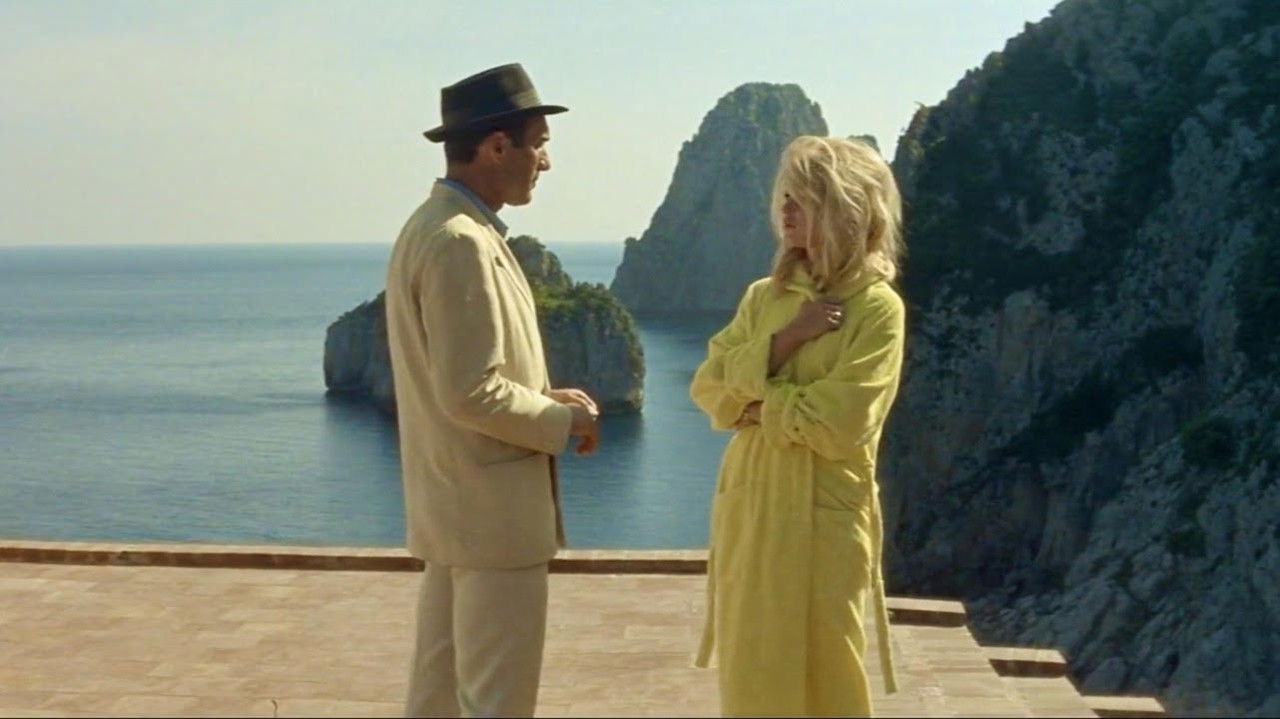
Le Mépris
Godard uses the expansive interiors of Villa Malaparte and the positioning of figures within the frame to make emotional distance and alienation physically visible. Every shot is a composition in which architecture, color, and posture carry the dramatic weight.
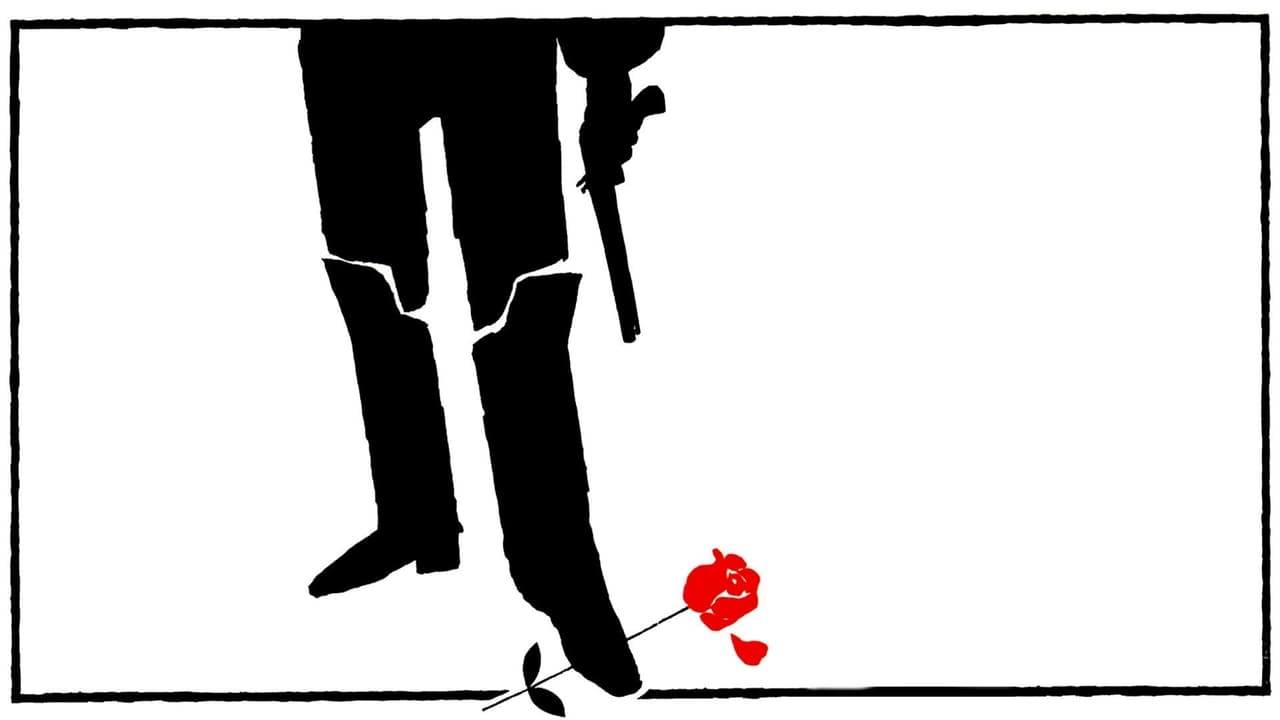
Barry Lyndon
Kubrick composes every shot like an 18th-century Flemish painting – natural candlelight, symmetrical tableaux, and meticulously arranged costumes and props fuse into total control over the visual field. Barry Lyndon stands as a textbook example of mise-en-scène as an autonomous expressive form.
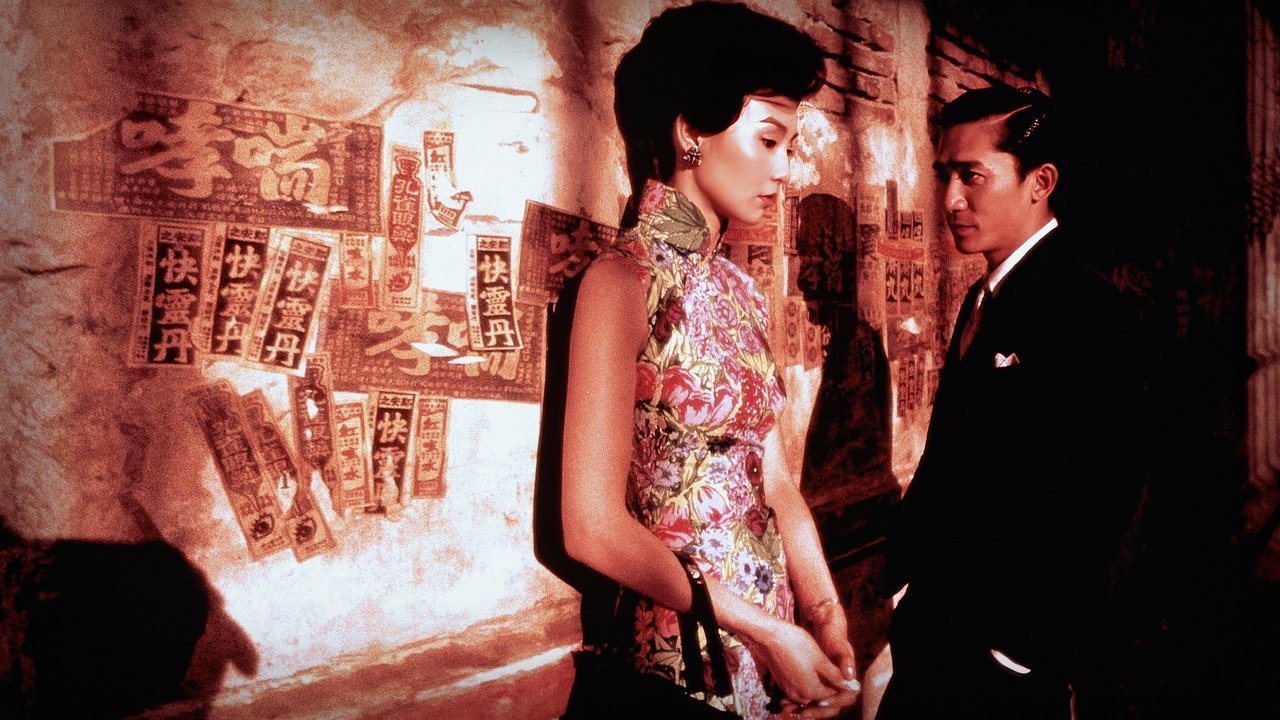
In the Mood for Love
Wong Kar-wai and cinematographer Christopher Doyle create a mise-en-scène of suppressed emotion through narrow alleyways, muted colors, slow motion, and the precise placement of figures behind curtains or lattices. Every detail in the frame – wallpaper, dresses, shadows – carries meaning.
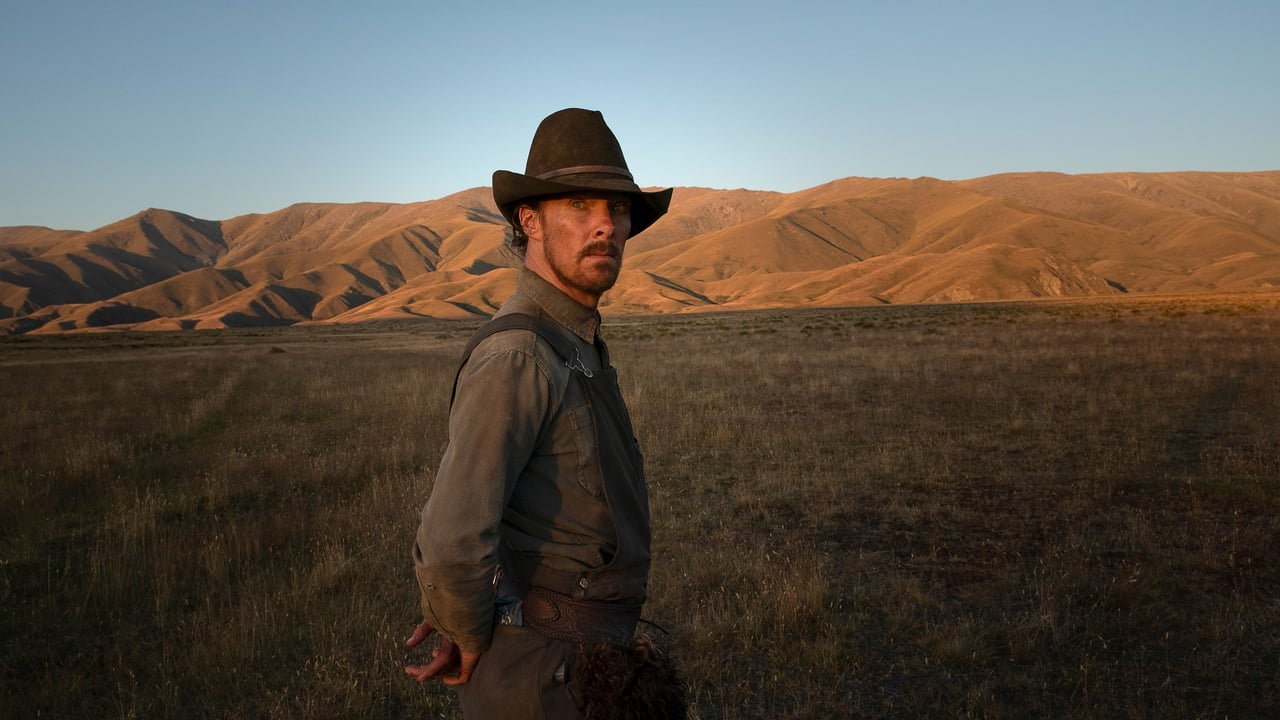
The Power of the Dog
Jane Campion uses the stark expanses of the Montana landscape and the claustrophobic interiors of the farmhouse as active elements of mise-en-scène that spatially encode power dynamics and psychological tension. The positioning of figures in relation to their environment and light makes dominance and vulnerability visible without a single word.
Film stills sourced via the TMDB API. This product uses the TMDB API but is not endorsed or certified by TMDB. themoviedb.org ›
You stand before an empty stage—and it becomes the screen. Everything the camera captures must function: not by chance, but as a deliberate visual statement. This is mise-en-scène—the total control of the image before the camera even rolls. The director orchestrates the setting, lighting, costumes, props, and the actors' bodies as a cohesive system.
On set, this means specifically: you don't just look at the character, but at their relationship to the space. How deep is the protagonist placed in the frame? What happens behind them—soft focus or deep focus? Which color tones harmonize, and how do they convey the emotional situation? A character placed on the left side of the frame with a red curtain behind them means something different than the same character in neutral white on the right side. This is not arbitrary—this is meaning created through composition. A classic example: in a 1950s film, a woman in a green dress against green wallpaper might almost disappear, or she might pop out, depending on how the director uses props and lighting.
Practice shows: mise-en-scène works or doesn't work, depending on how precisely all elements interact. A table isn't placed randomly—it blocks a specific sightline, forcing actors into a certain spatial behavior. The light from a window doesn't fall on a wall by chance; it creates three-dimensionality or flattens, depending on the angle and intensity. Costumes must stand out against the background or deliberately blend in. The positioning of the actors determines power dynamics, emotional distances, and focus.
You don't need to explain good mise-en-scène—it speaks through the image. You recognize it when every millimeter of the frame appears purposeful, nothing is distracting clutter, but it doesn't appear sterile either. It is the opposite of chaos and the opposite of empty objectivity. It requires focused collaboration between the director and the DP—because lighting and composition are one here. Many modern productions underestimate this aspect and rely too heavily on editing and music to convey meaning. This weakens the visual language.