
Camera positioned behind one actor, framing over their shoulder toward the other — dialogue workhorse. Creates intimacy and spatial continuity in conversation.
Famous examples · over the shoulder shot
The Graduate
Nichols and Surtees use tight over-the-shoulder framings in the dialogues between Benjamin and Mrs. Robinson to make power imbalances and sexual tension spatially palpable. The shoulder acts as a physical boundary that simultaneously signals intimacy and threat.

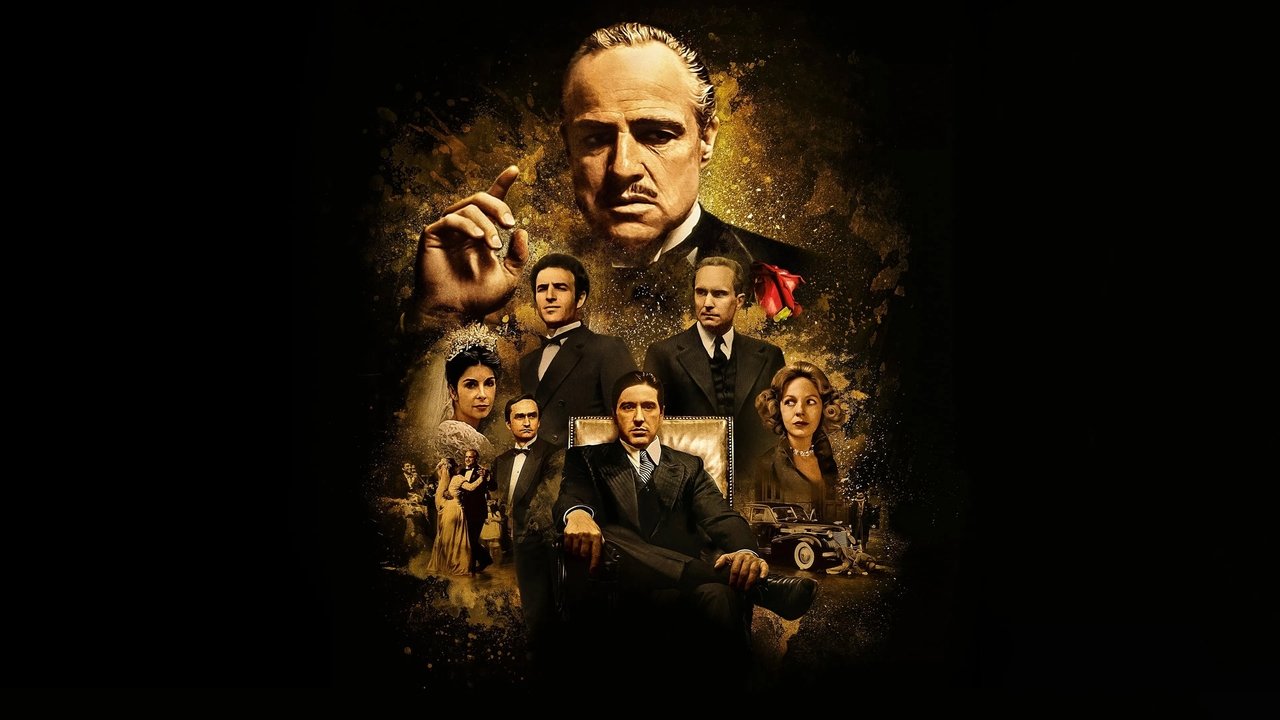
The Godfather
Gordon Willis deploys the over-the-shoulder shot in the Godfather's audience scenes so that Corleone's shoulder and back of the head dissolve into shadow while the petitioner is fully lit — a power imbalance created purely through camera position. The OTS pattern becomes an instrument of characterisation.
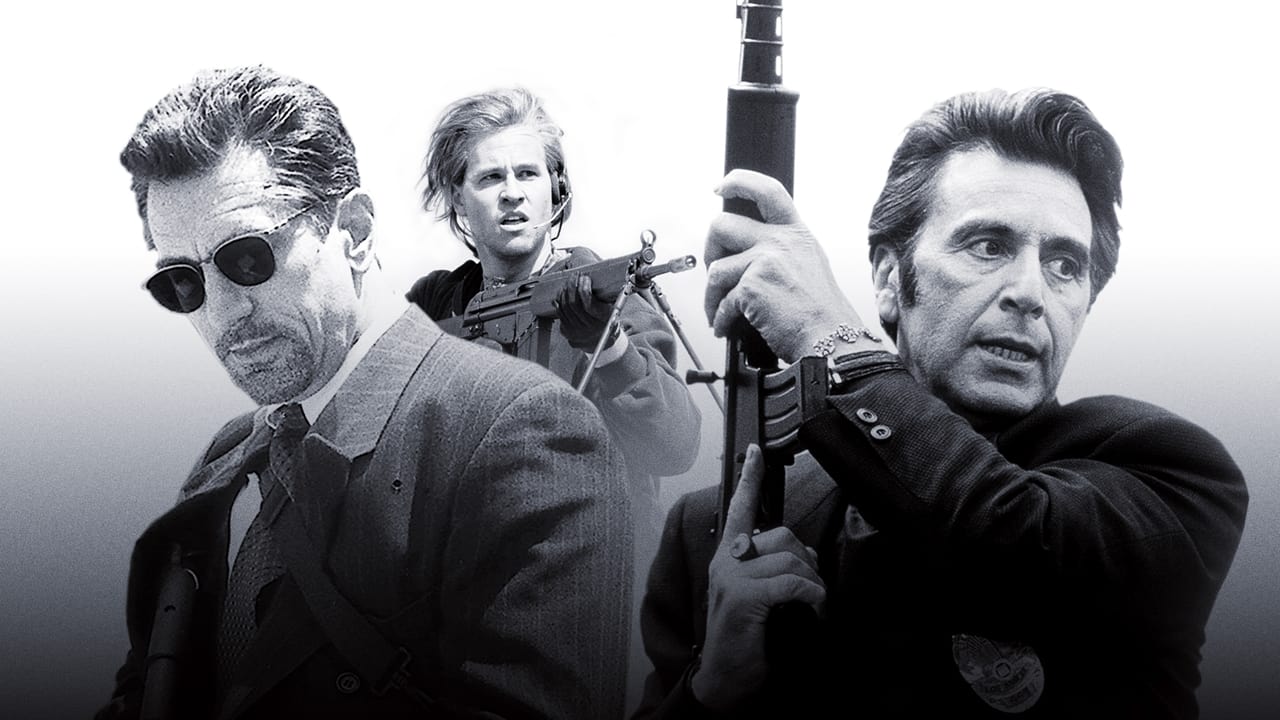
Heat
The famous diner scene between Pacino and De Niro is structured through precise over-the-shoulder shots that anchor both men equally in space while emphasising their unbridgeable separation. Mann and Spinotti rigorously maintain the 180-degree axis to immerse the viewer in the shared space.
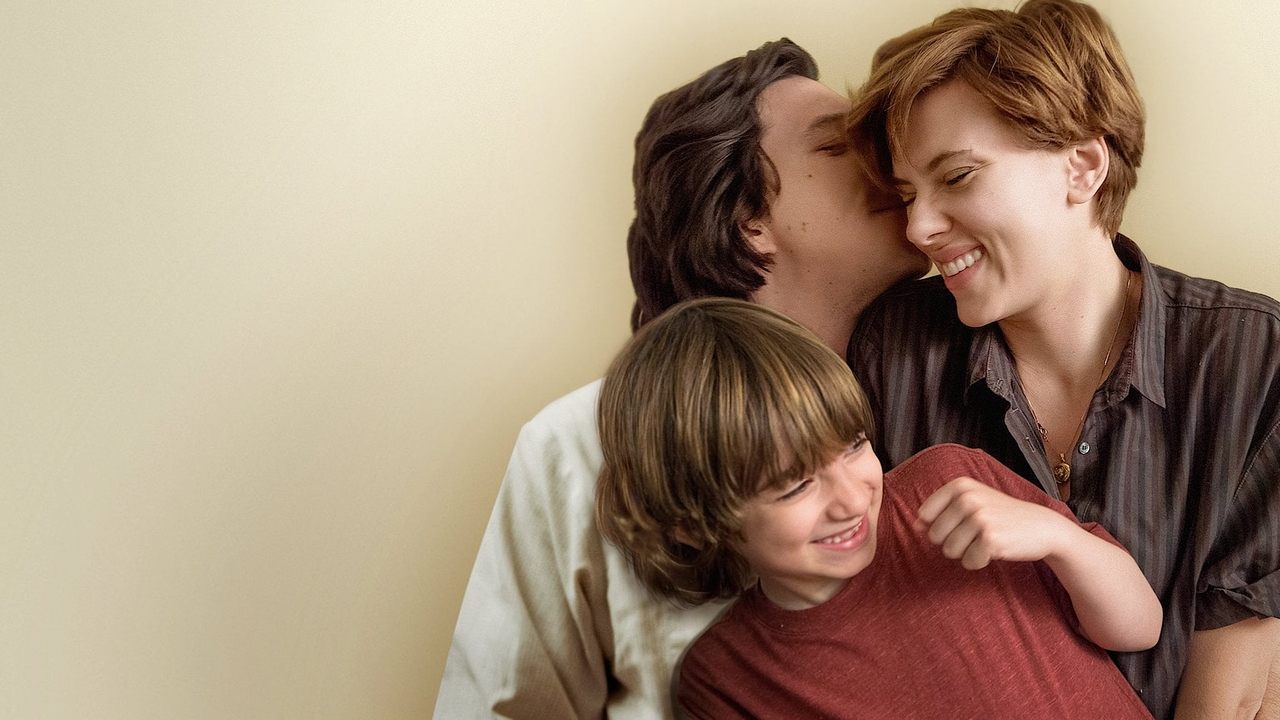
Marriage Story
In the central argument scene, Robbie Ryan alternates over-the-shoulder shots with increasing frequency and shrinking cutaways, making the rhythm of the edit physically convey emotional escalation. The classical OTS pattern becomes a seismograph of a disintegrating marriage.
Film stills sourced via the TMDB API. This product uses the TMDB API but is not endorsed or certified by TMDB. themoviedb.org ›
You position the camera behind the shoulder of one person, filming their conversation partner — this is your basic setup for almost any dialogue in narrative film. Not elegant, not new, but functional. The speaker's shoulder becomes a framing element, a visual anchor. The viewer is literally in the room with the characters, becoming part of the conversation rather than just an observer.
On set, you place the camera at eye level with the seated or standing actor, about 30–45 centimeters to the side. The focus is on the partner's reaction face. This creates depth and presence — unlike a frontal cut, which appears flat. For longer dialogues, you switch axes: first over shoulder A, then cut, over shoulder B. This is the classic shot-reverse-shot rhythm. Important: the eyelines must be correct. If your actor looks to the left, the camera must come from the right, otherwise you destroy the conversational space.
In the edit, this pattern functions like a dance step — regular, predictable, calming. That's why sitcoms and TV dramas use it daily. But precisely because it's so familiar, you immediately notice when you break it: a close-up without the shoulder, a cut to a wide shot, a zoom instead of a new shot — such deviations are consciously perceived. Tarantino and the Coen Brothers play with this expectation. They cut against the rhythm, hold on one shoulder longer than necessary, or jump unexpectedly into extreme close-ups. This unsettles the viewer — exactly as intended.
Practical tip: Pay attention to the shoulder itself. It shouldn't be too prominent — no monstrous paw at the edge of the frame. A subtle cropping helps to use it as a framing element, not as a disruptive mass. For moving dialogues (walking, driving), shot-reverse-shot becomes a challenge — your camera must follow without losing focus. Steadicam or a dolly helps here. For static conversations at a table, you only need two fixed positions per person. Efficient, proven, timeless.