
Alternating cuts between two or more simultaneously occurring actions — builds tension and establishes temporal connections.
Famous examples · Parallel Editing
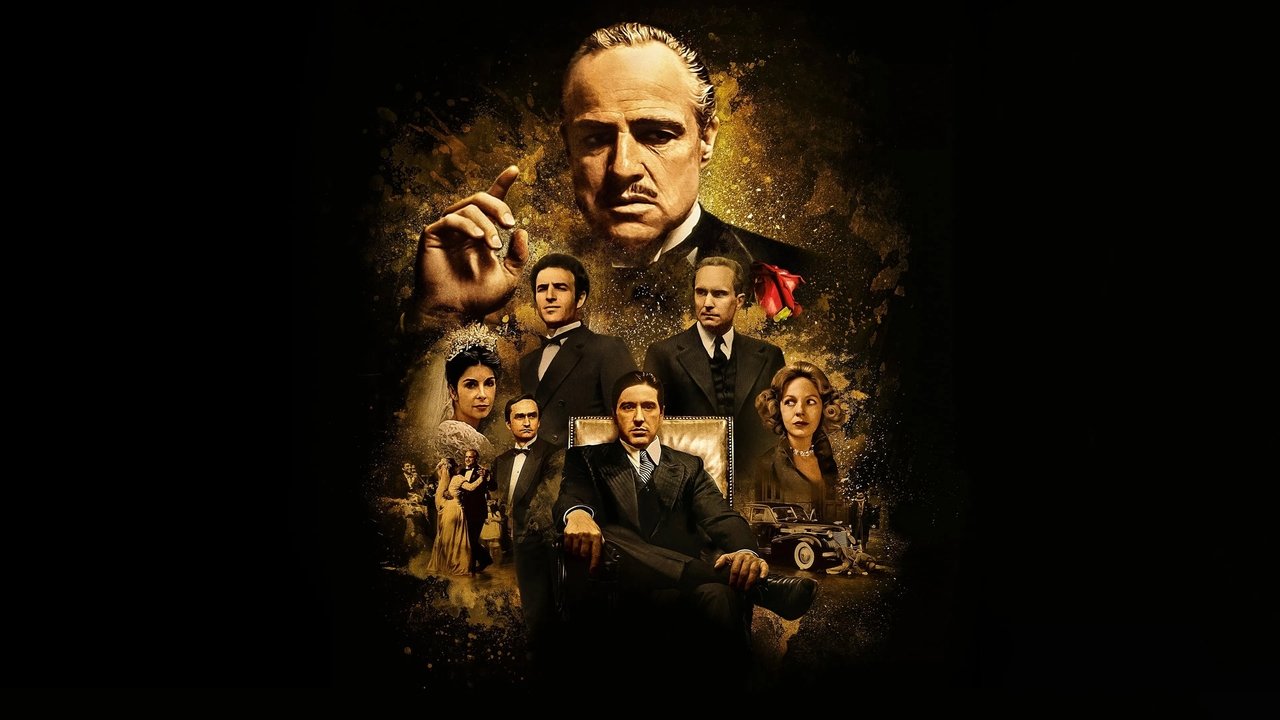
The Godfather
The famous baptism sequence intercuts between the solemn church ceremony and the simultaneous assassinations of rivals – parallel editing deployed as moral commentary on hypocrisy and power.
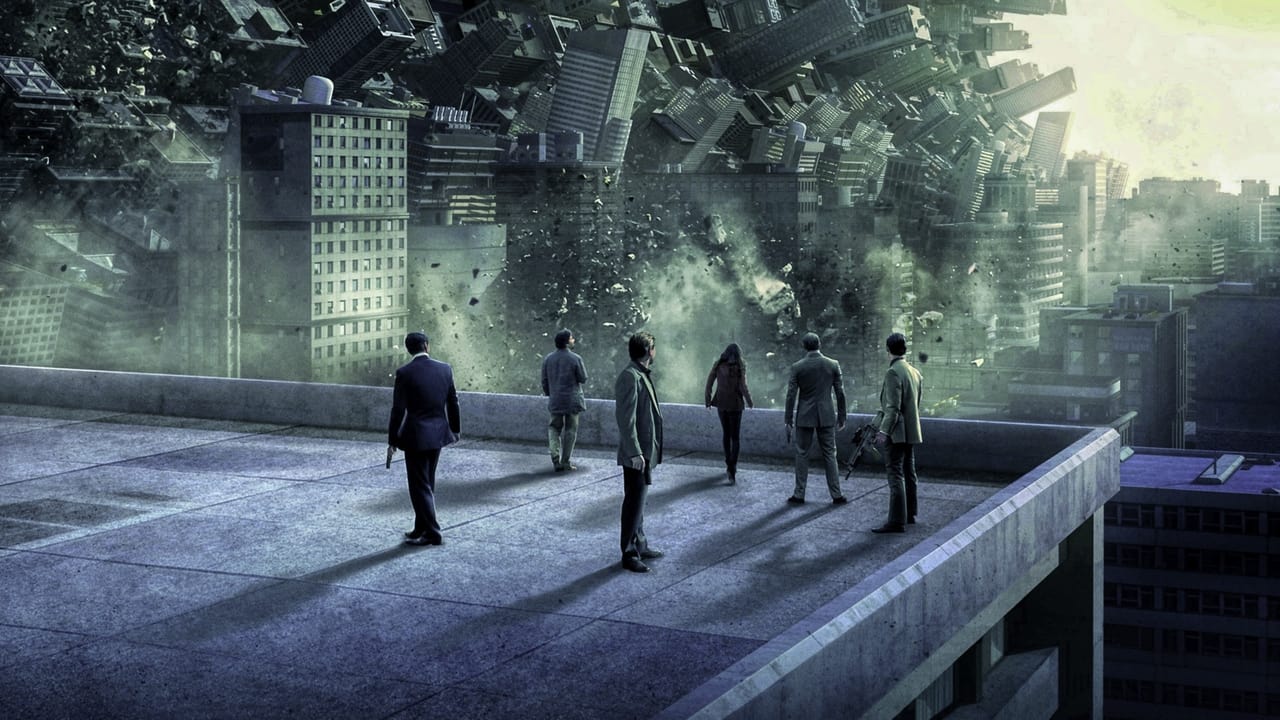
Inception
The climax intercuts four simultaneous action threads across different dream levels, each running at a different subjective time scale – an extreme case of modern parallel editing.
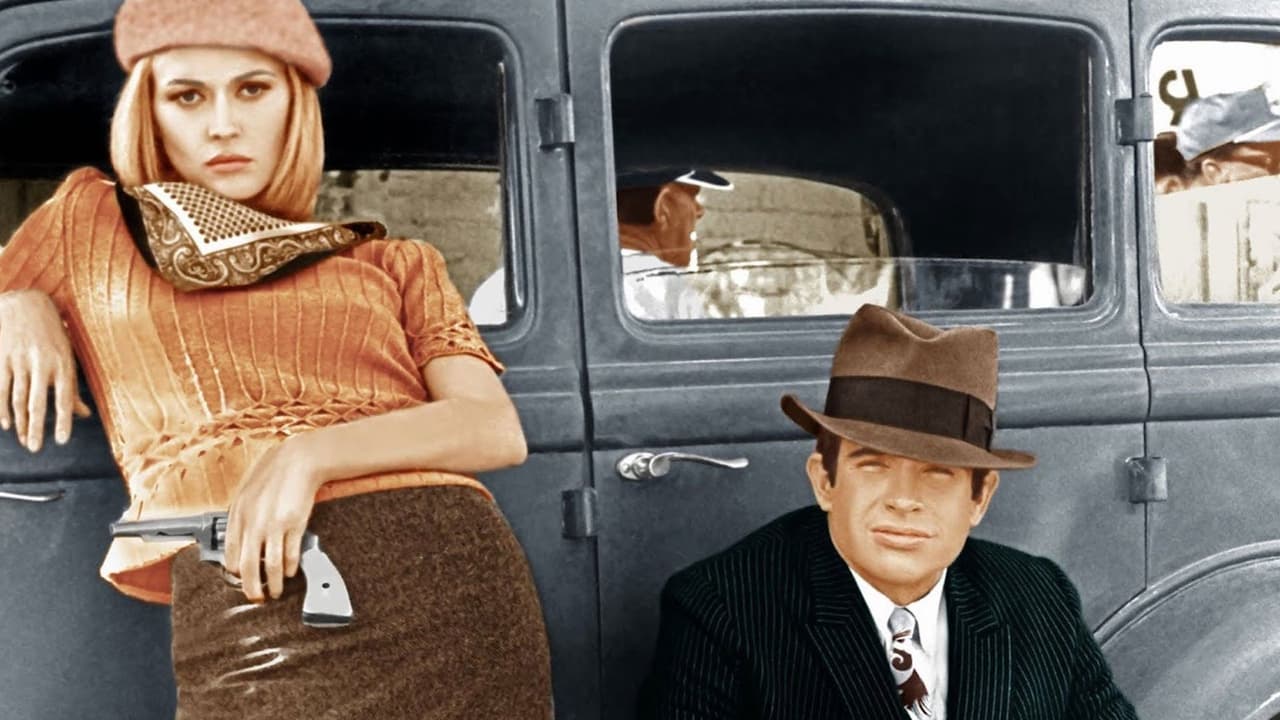
Bonnie and Clyde
The final ambush sequence cuts between the unsuspecting protagonists and the waiting lawmen – parallel editing builds unbearable tension that erupts into the film's explosive conclusion.
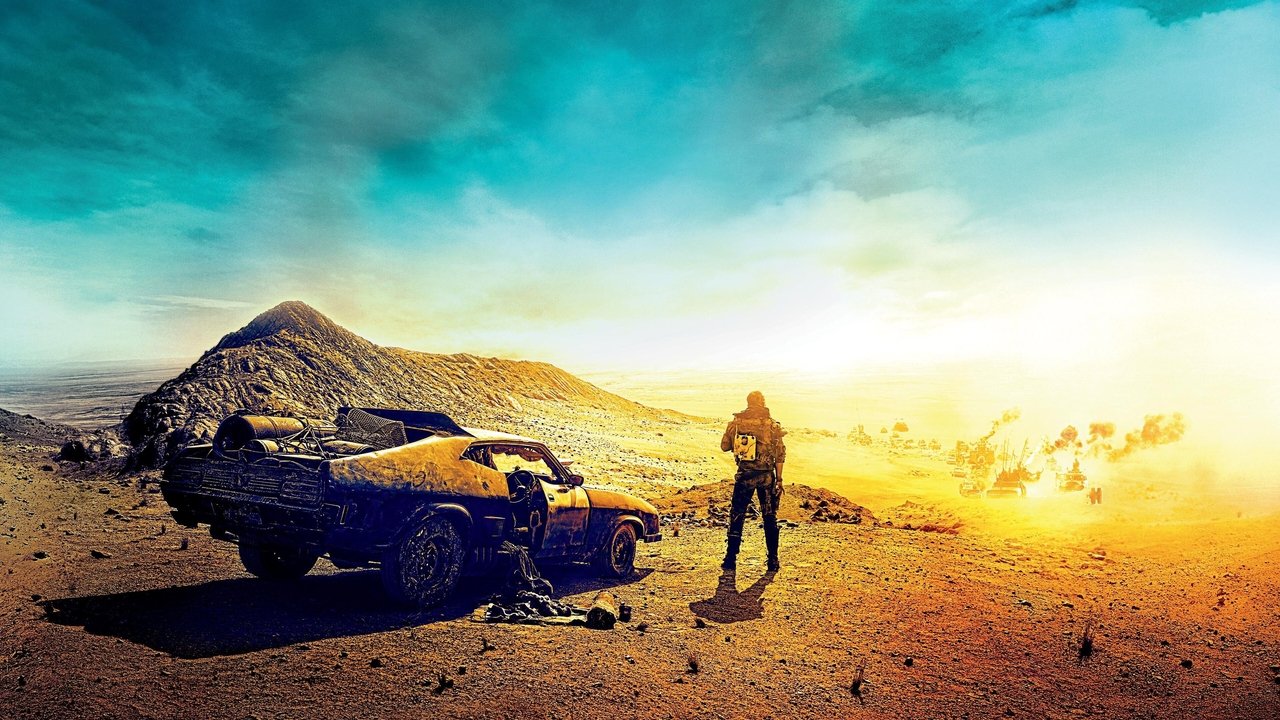
Mad Max: Fury Road
The entire film operates as an extended parallel edit between the fleeing convoy and its pursuers, with the cutting rhythm mirroring the mechanical pulse of the vehicles and becoming the film's kinetic energy.
Film stills sourced via the TMDB API. This product uses the TMDB API but is not endorsed or certified by TMDB. themoviedb.org ›
Technical Details
Classic parallel editing typically operates with a ratio of 1:1 to 3:1 between the intercut sequences, where the dominant storyline is shown a maximum of three times longer than the subordinate one. Cross-cutting is usually done via jump cuts or match cuts, less often via dissolves. Modern digital editing systems like Avid Media Composer or DaVinci Resolve enable precise frame-accurate synchronization in complex multi-timeline structures. Three main variants exist: Simple Parallel (two storylines), Complex Parallel (three or more storylines), and Accelerated Parallel with progressively shorter shot lengths.
History & Development
D.W. Griffith perfected parallel editing as a dramatic device in "The Birth of a Nation" (1915), after Edwin S. Porter had already shown initial approaches in "The Great Train Robbery" (1903). Sergei Eisenstein developed dialectical montage as a further evolution in "Battleship Potemkin" (1925). Alfred Hitchcock established psychological parallel editing with "Psycho" (1960). The digital revolution from the 1990s onwards enabled more complex structures, such as Christopher Nolan's nested time layers in "Inception" (2010).
Practical Application in Film
"The Godfather" (1972) uses parallel editing in the baptism scene: 47 cuts alternate between Michael's baptism ceremony and five simultaneous murders over a runtime of 3:20 minutes. "Heat" (1995) shows 73 cuts during the bank robbery between perpetrators, police, and civilians within 8 minutes. The workflow requires detailed continuity protocols and precise script supervision, as costumes, props, and lighting conditions must remain consistent over multiple shooting days. Disadvantage: 20-30% longer post-production due to complex editing structure.
Comparison & Alternatives
Parallel editing differs from cross-cutting by showing simultaneous rather than time-shifted action. Split-screen displays parallel actions simultaneously within the same frame, whereas parallel editing alternates temporally. Flashback montage connects different time levels, not locations. Modern alternatives include digital compositing techniques and virtual reality narrative forms with 360° perspectives. Long-take films like "1917" (2019) deliberately forgo parallel editing in favor of seemingly continuous camera movements.