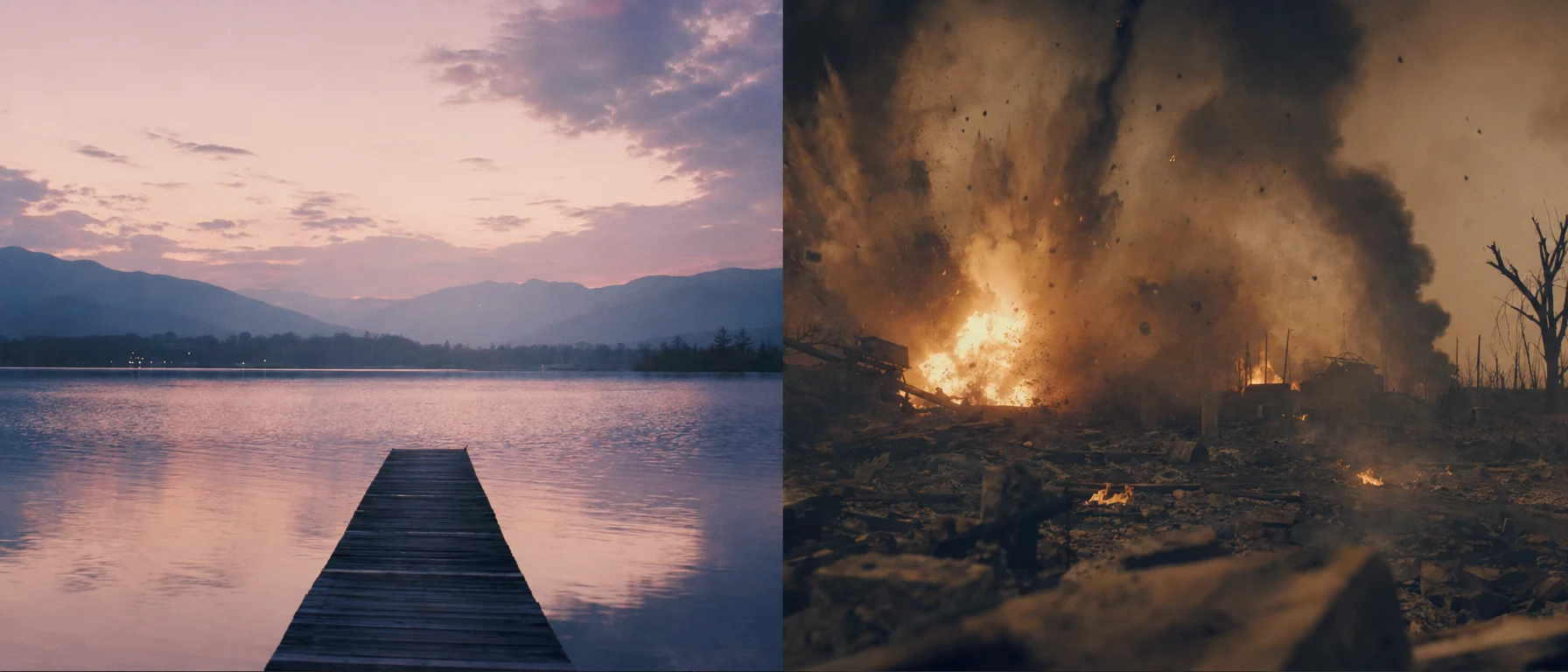
Abrupt cut between contrasting scenes with no transition — amplifies shock or irony through the hard break.
Famous examples · Smash Cut
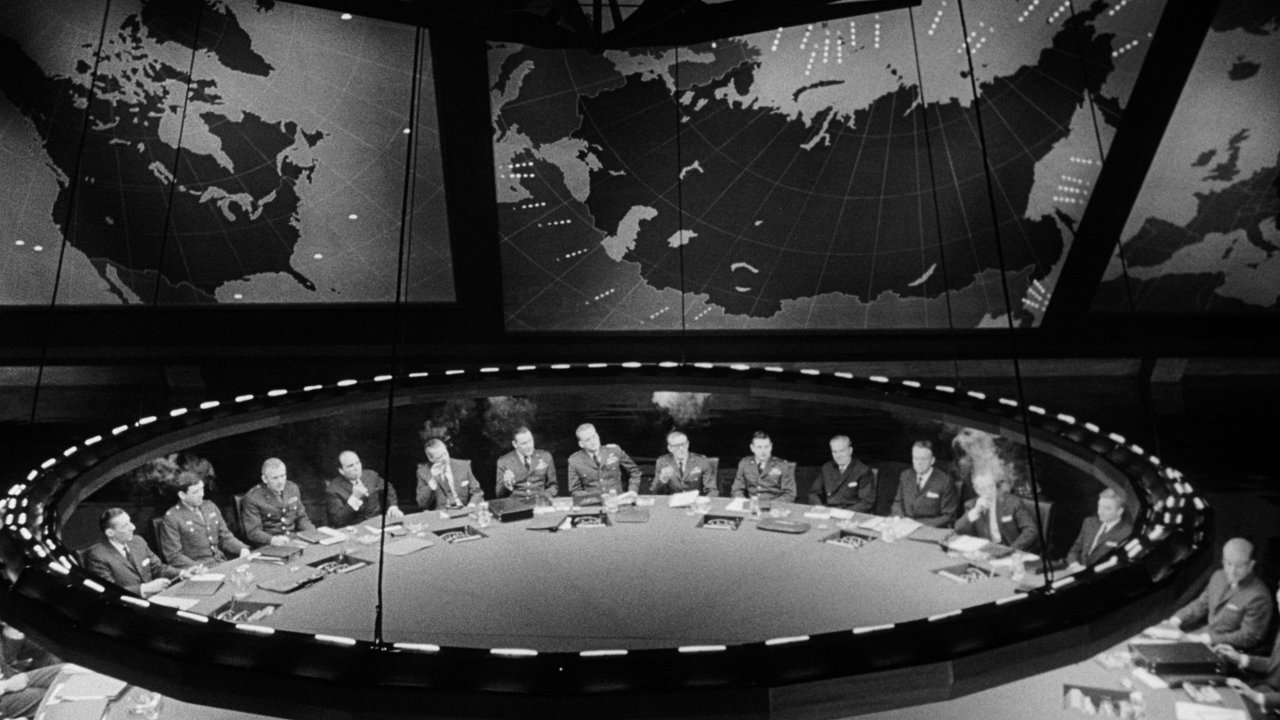
Dr. Strangelove or: How I Learned to Stop Worrying and Love the Bomb
Kubrick's famous smash cut from a bone toss to a spacecraft in orbit is one of cinema's most celebrated ironic cuts, bridging millennia in a single frame.
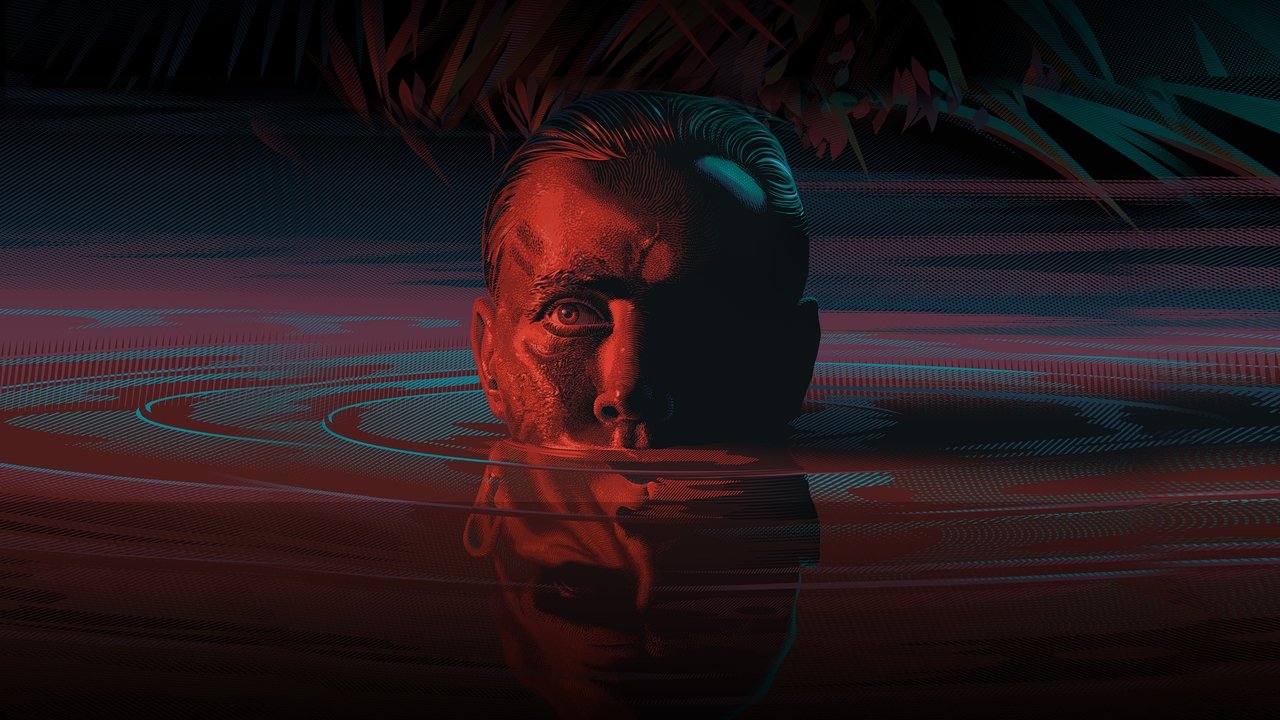
Apocalypse Now
The opening sequence uses abrupt smash cuts between Willard's traumatic hotel room and jungle imagery to make psychological disintegration viscerally felt through hard breaks.
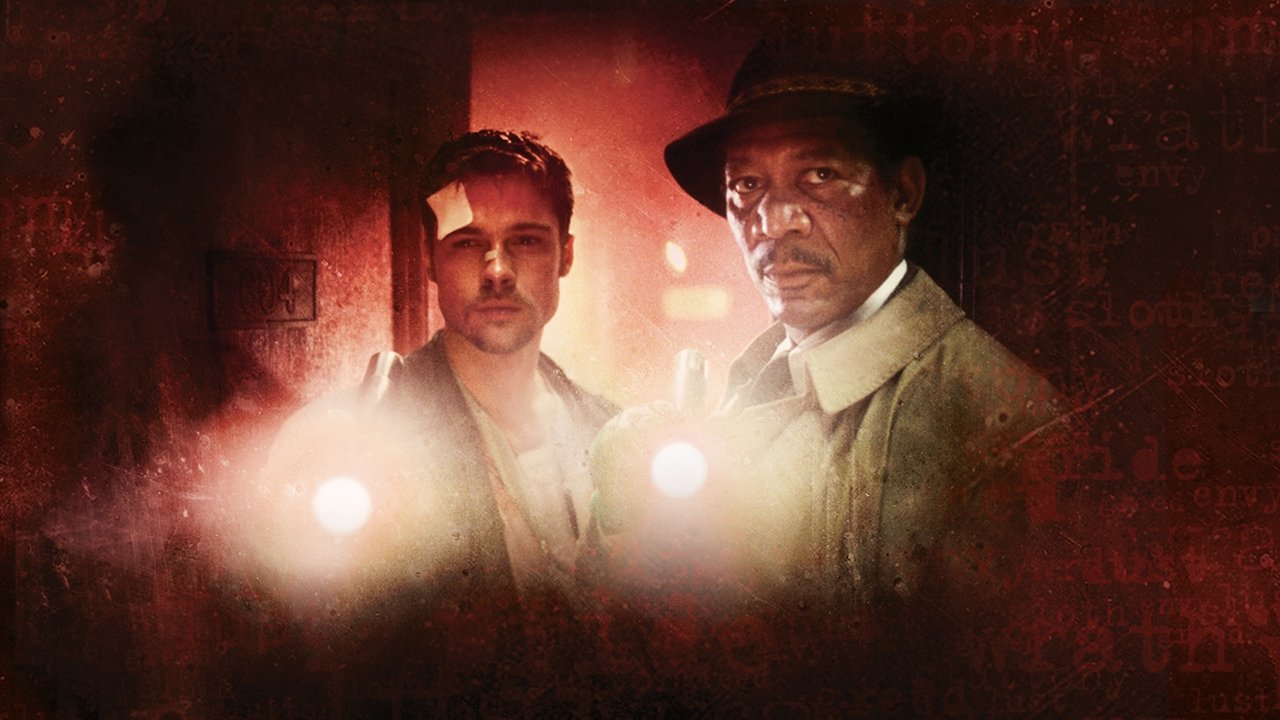
Se7en
Fincher's title sequence and numerous transitions between crime scenes and quiet dialogue moments deliberately deploy the smash cut to keep the viewer in a state of permanent tension.
Get Out
Jordan Peele deploys the smash cut as a central horror instrument, abruptly juxtaposing hypnosis sequences with the disturbing reality of the Sunken Place to achieve maximum shock effect.
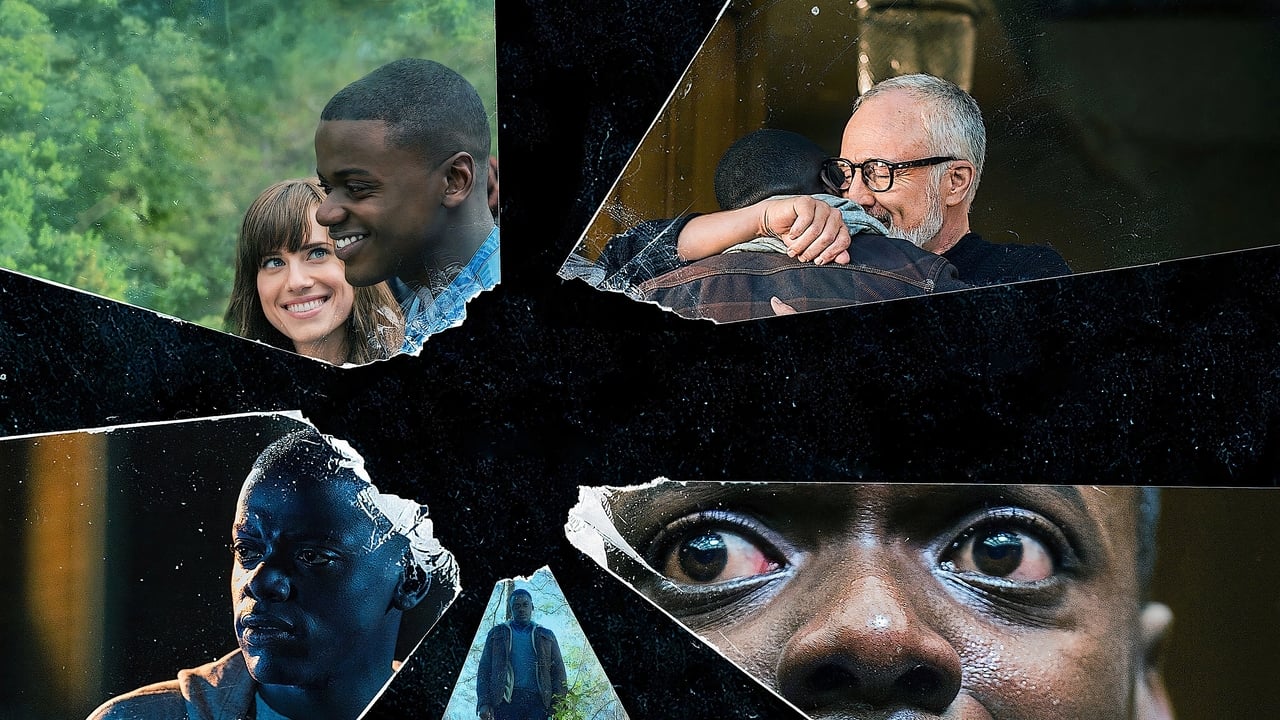
Film stills sourced via the TMDB API. This product uses the TMDB API but is not endorsed or certified by TMDB. themoviedb.org ›
Technical Details
Technically, the smash cut is realized by directly joining two image sequences without intermediate frames. In digital editing systems, this is done by a hard cut at the frame position without transition effects. The audio can be cut synchronously or deliberately kept asynchronous (split edit). Common variants are the contrast smash cut (extreme brightness or color differences) and the temporal smash cut (time jumps).
History & Development
Sergei Eisenstein already experimented with abrupt cuts between contrasting visual motifs in "Battleship Potemkin" in 1925. The term "smash cut" became established in the 1960s through French New Wave directors like Jean-Luc Godard, who systematically used jump cuts and smash cuts in "Breathless" (1960). With digital post-production from the 1990s onwards, the technique became more precisely controllable and more frequently used.
Practical Application in Film
Stanley Kubrick used smash cuts in "2001: A Space Odyssey" (1968) for the famous bone-to-spaceship transition over 4 million years. David Lynch uses smash cuts in "Mulholland Drive" (2001) for dream sequence transitions. Edgar Wright uses rhythmic smash cuts in the "Cornetto Trilogy" in 4/4 time to synchronize with music. The technique enhances shock moments, compresses narrative time, or creates a surreal atmosphere.
Comparison & Alternatives
Unlike the soft jump cut, the smash cut maintains spatial continuity but drastically changes context or time. The match cut connects similar motifs, while the smash cut deliberately combines contrasting elements. Cross-cutting alternates between parallel plotlines, whereas the smash cut jumps into entirely new narrative areas. In the TV series "Breaking Bad," smash cuts replace traditional establishing shots, reducing the average shot length from 8 to 4 seconds.