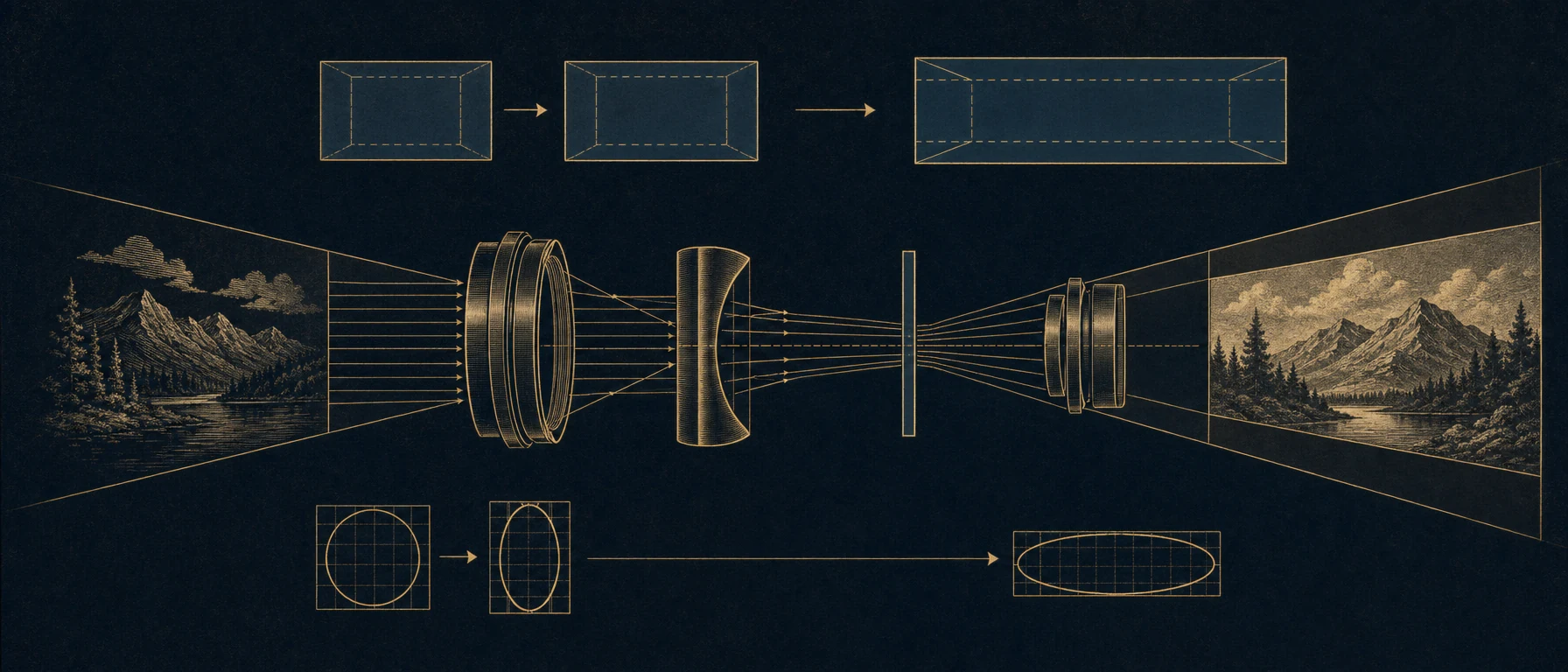
Horizontal compression characteristic of anamorphic optics where image width compresses by factor of 2 on camera sensor.
Famous examples · Anamorphic Squeeze
Lawrence of Arabia
Freddie Young used Super Panavision anamorphic lenses to capture the Arabian desert in 2.20:1, with the horizontal squeeze and characteristic bokeh defining the epic CinemaScope aesthetic for generations.

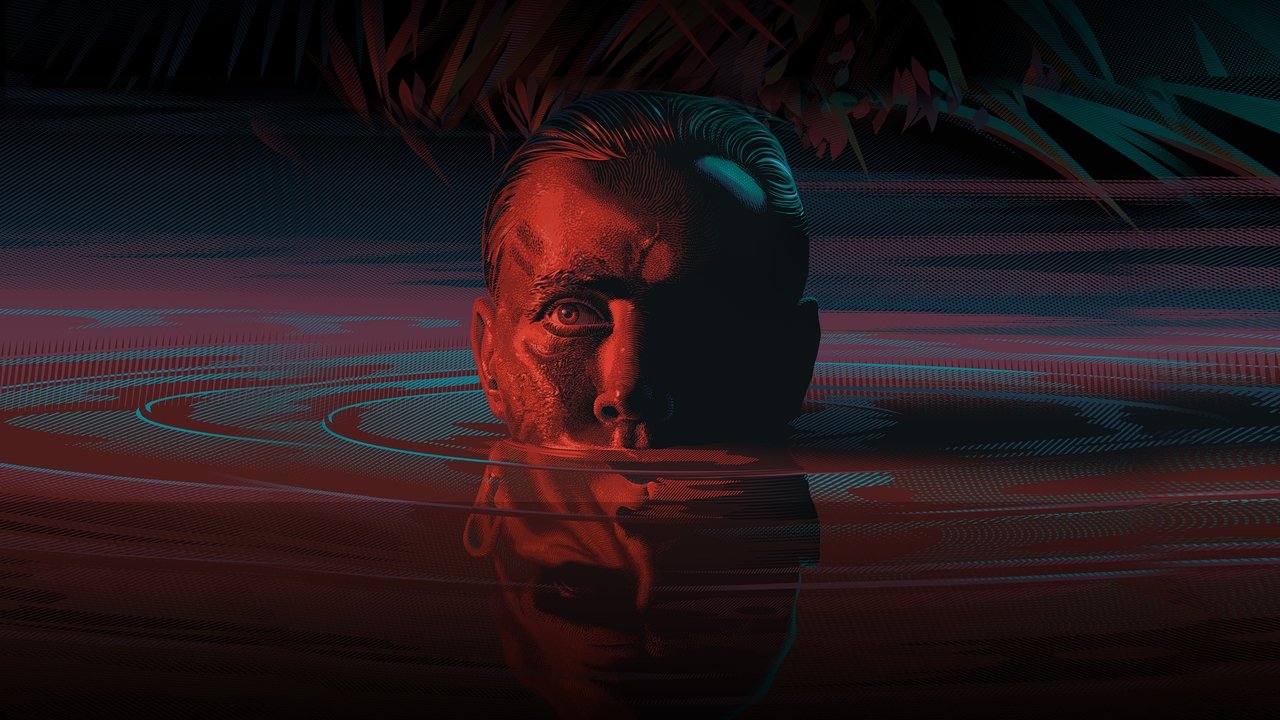
Apocalypse Now
Vittorio Storaro deliberately used Panavision anamorphic lenses to heighten the surreal atmosphere of the Vietnam War, with the characteristic blue horizontal lens flares becoming a defining visual motif of the film.
There Will Be Blood
Robert Elswit shot on Panavision anamorphic lenses, using the extreme widescreen frame and oval bokeh to isolate Daniel Plainview in a crushingly empty landscape — a textbook example of anamorphic aesthetics serving dramatic purpose.

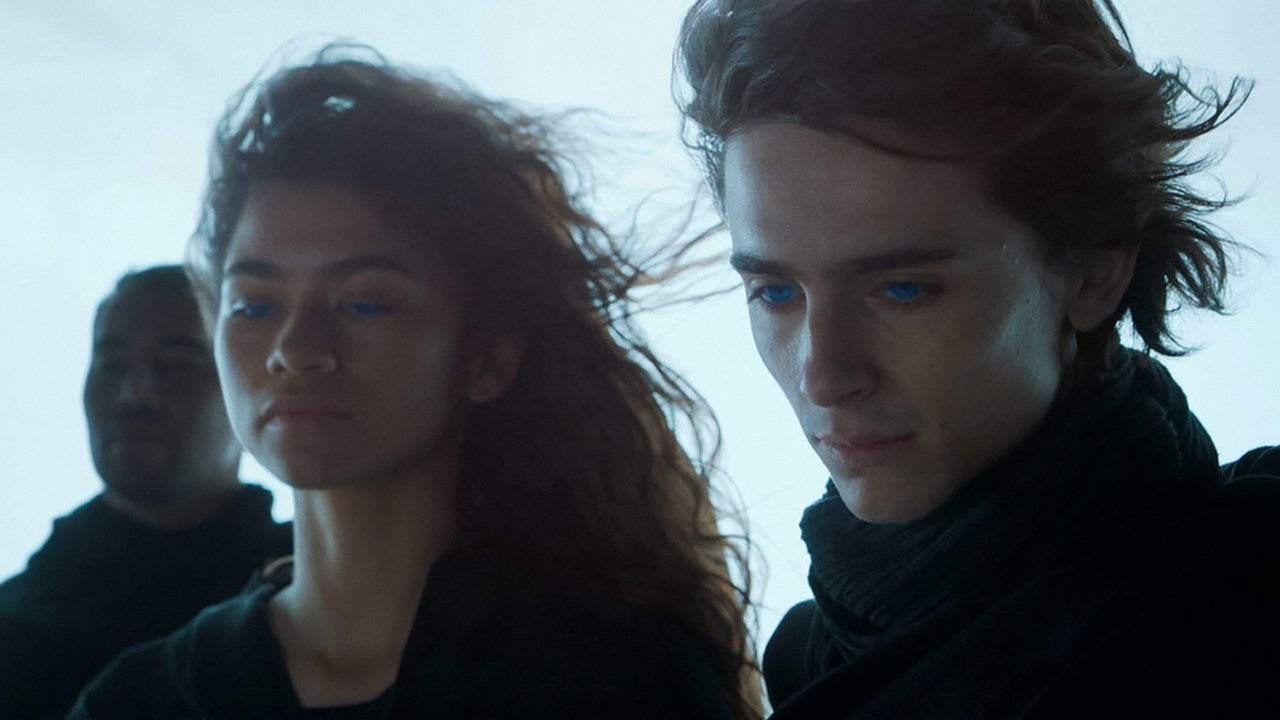
Dune
Greig Fraser paired ARRI Alexa LF cameras with specially modified Panavision anamorphic lenses to achieve the classic 2:1 squeeze look on digital sensors, with oval bokeh and subtle flares reinforcing the alien monumentality of Arrakis.
Film stills sourced via the TMDB API. This product uses the TMDB API but is not endorsed or certified by TMDB. themoviedb.org ›
Technical Details
Anamorphic lenses use cylindrical lens elements that compress exclusively horizontally. Standard anamorphic systems operate with a squeeze factor of 2:1, creating a 4:3 negative from a 2.39:1 widescreen format. Modern variants like 1.33x anamorphic (for 1.78:1 sensors) or 1.25x systems offer more flexible formats. The characteristic oval bokeh circles and horizontal lens flares are created by the asymmetric refraction of light by the cylindrical elements.
History & Development
Henri Chrétien developed the Hypergonar process as early as 1926 for military periscopes. 20th Century Fox acquired the rights in 1952 and introduced it to cinema as CinemaScope with "The Robe" (1953). Panavision perfected the technology from 1957 onwards with its Ultra Panavision and Super Panavision systems. Digitally, Arri expanded the offering in 2013 with Master Anamorphic lenses for Alexa cameras, while Atlas Lens Co. introduced affordable Orion anamorphics for independent productions in 2019.
Practical Use in Film
Classic anamorphic productions like "Lawrence of Arabia" (1962) or "Blade Runner 2049" (2017) use the format for epic landscape shots and intimate portrait shots equally. The workflow requires de-squeeze monitors on set for correct image control. Modern cameras like the Arri Alexa or RED Monstro offer native anamorphic modes with automatic metadata transfer for post-production. The horizontal flares and characteristic bokeh are often deliberately used as stylistic elements.
Comparison & Alternatives
In contrast to spherical lenses with cropping, anamorphic achieves full sensor resolution. Modern alternatives include 1.85:1 extraction from 16:9 material or digital anamorphic emulation in post. However, spherical systems offer sharper images and less distortion, while anamorphic provides the characteristic "look" and maximum resolution. IMAX 70mm achieves similar image quality at different aspect ratios but requires specialized cinemas.