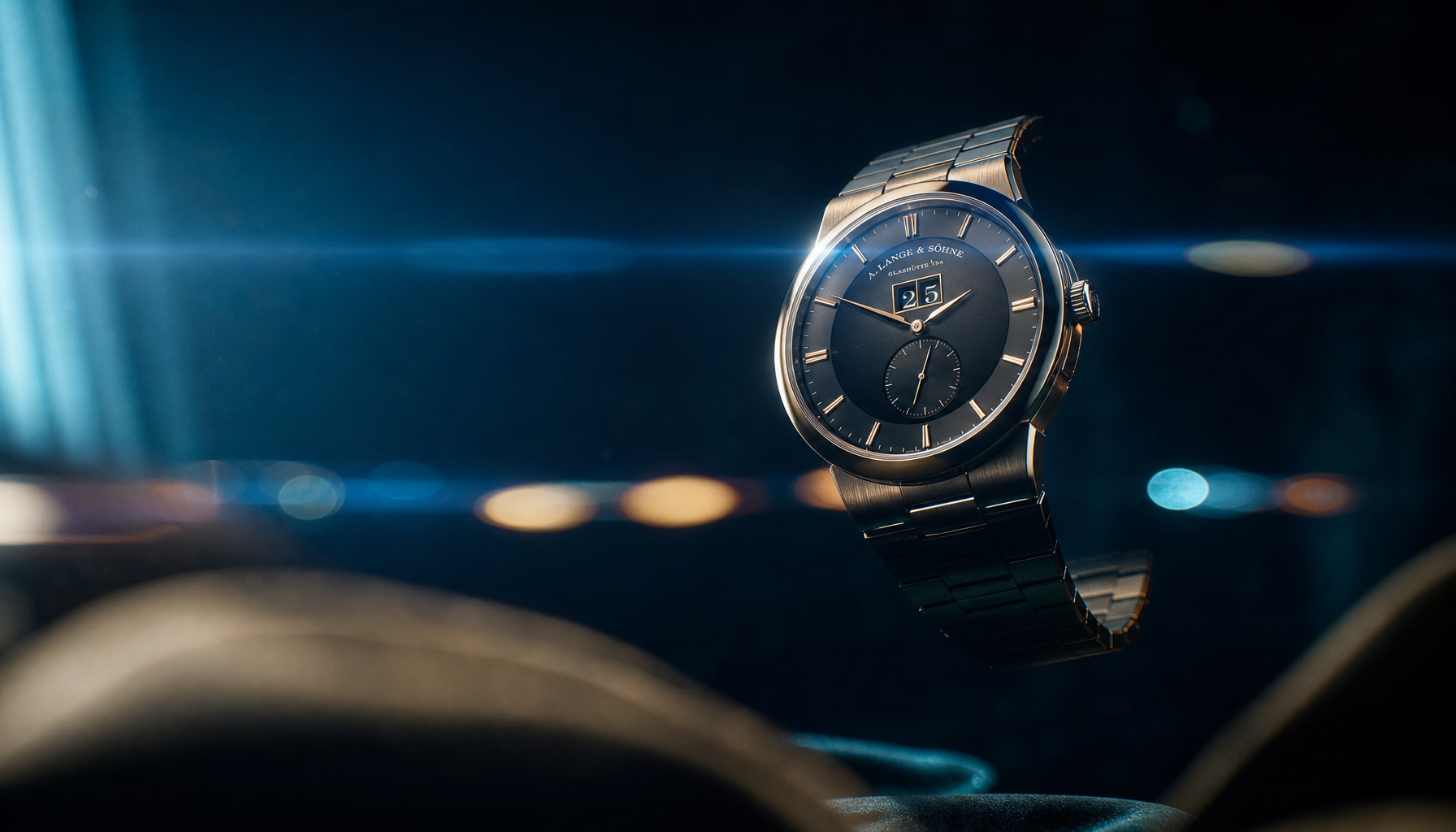
Distinctive shape and quality of out-of-focus areas created by anamorphic optics featuring characteristic oval shapes and horizontal streaks.
Technical Details
Anamorphic lenses compress the image horizontally using cylindrical elements with factors of 1.25x (Ultra Panavision), 1.33x (Technovision), or 2x (Panavision, Hawk). This asymmetrical optics produces characteristic distorted bokeh shapes: while spherical lenses produce circular light points, 2x anamorphic lenses create horizontally stretched ellipses. The effect is most pronounced at wide apertures (T2.8-T1.4), and the shapes approach circles again at closed apertures (from T5.6). Modern manufacturers like Panavision, ARRI Master Anamorphic, or Atlas Orion offer different bokeh characteristics through special lens coatings and optical designs.
History & Development
The first anamorphic systems were developed by Henri Chrétien in 1926 for military periscopes. 20th Century Fox licensed the technology for CinemaScope in 1952, where the characteristic bokeh was initially considered an undesirable side effect. It wasn't until the 1970s that cinematographers like Gordon Willis ("The Godfather") or Vilmos Zsigmond ("Close Encounters") recognized the aesthetic potential of oval light circles. Panavision perfected anamorphic technology from 1954 onwards and established the 2x system as the standard. Modern digital systems like ARRI's Alexa LF (2018) or RED's Monstro VV (2017) optimized sensor geometry specifically for anamorphic formats.
Practical Use in Film
"Blade Runner" (1982, Jordan Cronenweth) used anamorphic bokeh to enhance the urban neon aesthetic, while "Her" (2013, Hoyte van Hoytema) employed the oval light points for emotional intimacy. In night shots, the effect dramatically enhances street lighting and neon signs. Standard workflow: shooting with 2x anamorphic lenses on 4:3 sensors, desqueezing in post-production to 2.39:1. Modern productions often use hybrid approaches with spherical lenses and subsequent anamorphic simulation. The effect works optimally in backlight situations and with practical light sources.
Comparison & Alternatives
Spherical lenses produce circular bokeh shapes without horizontal stretching. Digitally generated anamorphic effects (plugins like FXHome or Red Giant) simulate oval bokehs but do not achieve the optical complexity of true cylindrical lenses. Vintage anamorphic lenses (Kowa, Isco, Sankor) produce more irregular, "organic" bokeh shapes than modern designs. 1.33x systems offer subtler effects than aggressive 2x compression and are suitable for Netflix productions (1.78:1 delivery). Filmmakers choose between technical perfection (ARRI Master Anamorphic) and characterful "imperfection" (Cooke Anamorphic/i) depending on the desired visual language.